Life Art Group

Icon

Just another WordPress.com weblog

Greetings from Life Art!

Bienvenidos a nuestro grupo Life Art, pensado para promover el intercambio de tutoriales, eventos, exposiciones, etc. en Second Life.

Te invitamos a unirte a nosotros!

Wellcome to our group Life Art. We were born in Second Life as a place to share informaticon, turorials, events ans classes.

We invite you to join us!

Archivado bajo:Exposiciones, Proyectos

Entrevista con el artista: Emilio Charisma

emillio

Emilio es una persona asequible y amistosa, de esas que te gustarían de amigos de por vida. Antes de colocar la entrevista, os comentaré una de las obras de Zodiac, Aries. Una obra llena de color, con una base dorada no evidente pero palpable. Un coro de ángeles se mecen en un interminable aéreo entre estrellas. Cierto aspecto onírico nos traslada al recogimiento de las iglesias y a la comunión con un desconocido hacedor. Entre lo abstraco y lo expresionista, la obra está cargada de entimientos de paz, cual mandala meditativo.

 Silene Christen: como va todo?
 emilio Charisma: muy bien, aprendiendo escultura
Silene Christen: genialll
emilio Charisma: me fascina y como en rl es foto aqui lo otro
Silene Christen:  ¿Como fué meterse en el mundo del arte?
emilio Charisma: la repuesta es tú, jajajaja me invitaste a participar en una expo
Silene Christen: jajajaj,  si:))
Silene Christen: a ver, en rl haces fotografía no?
 emilio Charisma: si hago fotos,algunas expos, concursos, blanco y negro quimico, viajes para alguna revista
Silene Christen: ¿Qué opinas de Sencond Life como medio de divulgación del arte? ¿tiene futuro?
emilio Charisma: ofrece grandes oportunidades y facilidad al artista permite enseñar la obra facilmente, intercambiar opinion con colegas
Silene Christen: crees que sl se acabará pronto?
emilio Charisma: no, la competencia de otras plataformas virtuales es mas bien en juegos que en actividades mas cotidianas. Aqui hay mas emociones y sentimientos: eso nunca acaba
Silene Christen: si, eso es cierto.
emilio Charisma: salvo q el sr Linden se arruine
Silene Christen: tus obras en zodiac, las defines como expresionistas? abstractas? surrealistas?
emilio Charisma: trato de q sea abstracion fotografica de la realidad
 Silene Christen: consideras que en fotografía hay mas suerte que técnica? o viceversa?
emilio Charisma: no creo en la suerte en fotografia, solo en el trabajo y el analisis sosegado de la realidad,disparar en el momento decisivo si hay personas unicamente
Silene Christen: cuales son tus próximos proyectos??
emilio Charisma: ahora rescato imagenes del pasado. Digitalizo mis archivos para pasarlos a la web y darles una nueva vison. Hay miles de Silene Christen: es un gran trabajo
emilio Charisma: tremendo, 32.000, pero los conoces bien y sabes que es lo que buscas ahora. Antes era reportaje ahora abstracion, una pared etc
[15:10]  emilio Charisma: hace años q tengo una web
emilio Charisma: me impresionaron las esculturas. Estas fueron las primeras que vi, las de Cai, las vuestras
Silene Christen: si..es un escultor fabuloso
 emilio Charisma: me parece genial, y es un medio posible, no me veo con el cincel y el marmol
Silene christen: muchás gracias por dedicarnos estos minutos, y esperamos poder seguir viendo tu obra aqui.

Archivado bajo:Artistas

Entrevista con el artista:Ionsilver Whitman

Como siempre, comentar alguna de las obras expuestas en Zodiac, en este caso Géminis. Un fractal delicadamente escogido, donde dos serpientes o dragones parecen enroscarse. Me recuerda el Oruborus, el eterno círculo infinito que nos recuerda que la vida sigue, como una rueda inmensa que lo conecta todo en un Universo extraño y misterioso. Un fractal ya es misterioso en sí, pero también, es una intrincada a la vez que delicada red de energía numérica que nos define el proceso natural de las cosas: La geometría de la naturaleza.
Silene Christen: como fueron tus principios en el mundo del arte? te dedicas en rl a fotografía sobre todo, no?
Ionsilver Whitman: con la fotografía comencé a los 10 años con una cámara simple, luego escribiendo algunas cosas en boletines de alguna asociación pero mas que meterme en el arte siempre he tenido el impulso de crear  Silene Christen: polifacético, ¿Y Second Life? ¿Y dedicarse aquí al tema del arte?
 Ionsilver Whitman: en Secondlife la entrada fue con el deseo de explorar, comencé a practicar la fotografía para mejorar aspectos que en la rl no los había practicado, luego el tema de la construcción, el diseño
Silene Christen: recuerdo que compraste un estudio, ¿no?
Ionsilver Whitman: si, exactamente. En rl apenas he realizado fotos de estudio o tipo retrato siempre he estado dedicado a fotografía de naturaleza o de exteriores
Silene Christen: Y ¿como ves Second Life y el mundo del arte? ¿Tiene futuro?
 Ionsilver Whitman: SL es una buen medio para difundir cualquier tipo de información, de creación, ya que nos permite globalizar el acceso nos permite intercambiar os puntos de vistas de los creadores, su observación critica de lo que les rodea siendo un ejemplo de cooperación y mostrando el ejemplo que a la cultura, a la creación no se le pueden poner barreras
Silene Christen: has encontrado espíritu de equipo en sl?
 Ionsilver Whitman: En algunos sitios si, pero solo en algunos momentos. Normalmente la gente que crea suele aislarse para estar imbuido en esa acción de crear
Silene Christen: ¿crees que Secondlife continuará? que aun le queda cuerda para rato a sl?
 Ionsilver Whitman: lo que conocemos de sl ahora mismo es una etapa, pienso que en unos años sl habrá evolucionado a un medio de encuentro virtual donde se dará Internet -sl – conferencias telefónicas virtuales – trabajo… estamos en la época arcaica de este medio, con el tiempo la parte lúdica será absorbida por la parte practica
 Silene Christen: proféticas palabras.)))
 Silene Christen: respecto a tu obra en Zodiac he visto trabajos de fractales, pero los tuyos están muy individualizada la forma…
 Ionsilver Whitman: si, esta selección de fractales son el fruto de una exploración… de un año y medio donde he ido buscado formas caprichosas
Silene Christen: ¿es fácil obtener figuras como estas?
 Ionsilver Whitman: depende, podemos buscar formas que sabemos están predefinidas por las formulas existentes pero cuando comenzamos a mezclar y mover los resultados suelen ser sorprendentes a veces.
Silene Christen: ¿y cuales son tus próximos proyectos?
Ionsilver Whitman: proyectos… actualmente
comencé un nuevo curso sobre embarcaciones simples en sl. Tengo en materializar un recorrido en barco por sl. Tengo un proyecto de seguimiento de la evolución de varias zonas de sl
Silene Christen: ¿en que aspecto?
Ionsilver Whitman: para una futura Expo
Silene Christen:¿fotográfico, documental? Ionsilver Whitman: si, como evoluciona una zona de sl. Como evoluciona una zona de sl de ser unas simples parcelas caóticas a pasar a una zona bella y  con un cierto orden humano y a volver al caos:  será un fractal…  jajaja
Silene Christen: !promete ser muy interesante!
Ionsilver Whitman: por otras parte en rl, pues tengo algunas cosas pendientes solo mencionar las creativas: escribir un relato sobre la vida de mi padre, otro de Un Maestro Poeta que conocí  y seguir con mis fotos y no me da tiempo a casi nada jajajaj
Silene Christen: muchísimas gracias por este rato
Silene Christen: eres incansable, dinámico, vamos.. y bellísima persona, sl necesita muchos como tu:)))

Ionsilver Whitman: gracias a ti :) )
ionsilver

Archivado bajo:Artistas

Entrevista con el artista: Aleixandre Biedermann

Como siempre, comentar una obra antes de la entrevista. Arwen Ferraris, una combinación inteligente de la gama fria de azules con el contraste en el rojo, nos muestra una persona enérgica, dura, capaz de enfrentar la vida sin miedos, pero sabe darnos ese toque de intensa vida personal, ebullición interior de sentimientos y la pugna por que éstos no afloren o dominen su vida. Mostrar todo esto en un  cuadro requeire no solo la maestría, si no el amor y el interés en conocer la persona que el artista pone.

Podeis ver este cuadro en la galeria de Life Art en Fratte (personas fuego) en Second Life.

Silene christen -¿Como fué meterse en el mundo del arte?
Aleixadre Biedermann- En RL siempre he sido una persona muy creativa, he hecho mis pinitos con la composicion musical, la pintura al oleo (llegando a exponer alguna de mis obras) y las tecnicas cinematograficas. Sin embargo, por falta de tiempo y medios tenia esa faceta abandonada hasta que entre en Second Life.

Silene christen- ¿ Y Second Life? ¿Como fué entrar, y dedicarse aquí a temas artístícos?
Aleixadre Biedermann- Bueno, al principio entré en SL por la posibilidad de construir y diseñar de manera sencilla, pero bajo un punto de vista más comercial que artístico. Ha sido con el tiempo, y a partir de mi experiencia en SL como diseñador de mis propias imagenes comerciales, cuando he entrado al mundo de la creación. Fundamentalmente retratos que son mi gran pasión aquí.
Silene christen- ¿Qué opina de Sencond Life como medio de divulgación  del arte? ¿tiene futuro?
Aleixadre Biedermann- Si, creo que SL como medio de comunicación global en 3D facilita mucho la difusión de la creatividad. Además, el coste es mínimo, salvo el de subir texturas. Por lo que permite exponer obras de artistas de dentro y fuera de SL con mucha facilidad. Mi impresión es que el futuro de SL como instrumento para ganar dinero esta agotado, SL será una herramienta de relacion y difusión de conocimientos (entre los que incluyo el arte).
Silene Christen – En la obra expuesta vemos mujeres… ¿y el hombre?¿ algun motivo especial?
Aleixadre Biederman – Creo que las mujeres me aportan mas matices que los avatares masculinos. Tienen multliples lecturas y además, me siento más comodo. Siempre he pensado que una exposición sobre retratos de hombres debería de hacerse por una mujer. Yo creo que aportaria mucho mas que si la hiciera yo.

Silene Christen – Tomamos nota! jeje
Silene Christen- ¿Cuales son sus próximos proyectos?
Aleixadre Biededermann- Artisticamente estoy aumentando continuamente la serie WOMEN con nuevos retratos (aprovecho para invitar a todas las lectoras a que participen en este proyecto, solo tienen que mandarme un IM manifestando su interes en ser retratadas). Mi objetivo es llegar a los 200 retratos de mujeres.
También estoy preparando una serie de retratos sobre temas oníricos, magia, góticos, etc…..aunque no lo tengo aun claro..me interesaria hacer retratos con mucha carga surrealista aprovechando las facilidades que da SL para eso…

Muchísimas gracias por esta entrevista. Aleix y sobre todo un amigo muy querido, pero sin dejarme llevar por sentimientos personales, la labor como retratista en Second Life, merece reconocimiento no solo aquí sino en RL. Esperemos que sea esto el principio de ese reconocimiento.

aliexadre

Archivado bajo:Artistas

Entrevista con el artista Luciella Lutrova

Como es habitual, comentaremos un cuadro antes. Ciudad de musica es uno de los trabajos con mas fuerza de esta artista, que saca energía, luz, y una perfecta conposición del alma. Dentro de las tendencias abstractas, con un fuerte expresionismo, algunas de sus obras también las enmarcaríamos en cubistas. En sus cuadros, la pincelada es suelta, grandes manchas de color que predefinene formas, y solo el uso de la delineación oscura, escapa a ser un estudio exclusivo del color. La fuerza de sus trabajos no radica solo en el uso esquisitio del color, hay un paisaje, unas escenas bosquejadas, que solo desde nuestra percepción emocinal podemos captar.

Silene christen – ¿Como fué meterse en el mundo del arte?
lluciella lutrova – comence en el arte, de pequeña, mis padres habian estudiado en la Academia Nacional de Bellas Artes, Argentina.
No recuerdo cuando comence a dibujar, hice mi secundaria conjuntamente con bellas artes, luego fui a talleres post grado, puse mi taller, donde enseño dibujo y pintura.

Silene christen – ¿ Y Second Life? ¿Como fué entrar, y dedicarse aquí a temas artístícos?
lluciella lutrova – Jamas crei que entrando a SL, iba a encontrar un sitio para el arte, comence a anotarme en cursos de construccion, con la idea de crear, en este nuevo medio.
un dia, alguien en un chat, invitaba a su muestra de arte, fui inmediatamnete, y alli me encontre con muchos artistas que mostraban su obra, buenos ademas, es otro sl para mi ahora, disfruto viendo arte permanentemente.
Silene christen – En la obra expuesta en Zodiac se observa luz, vida, energía. ¿Es una constante en tu obra? ¿qué o cómo te gusta expresarte en ella?
lluciella lutrova – Creo importante la divulgacion de la obras de los artistas en SL, poder acercar el arte a quienes, por diferentes motivos , no tiene facil acceso a el.
Silene christen -
lluciella lutrova – en zodiac, expuse unas obras con mucho color, con mucha fuerza, son las obras de un momento determinado.
si bien la tecnica ayuda, no siempre se da ese colorido, el color esta directamente realcionado con el estado de animo, es inmanejable, no hay tecnica que pueda modificar el estado de animo, el es quien manda.
ponerse a pintar, sin proyecto previo, dejarse llevar por los sentidos, es el comienzo, que marcara el caracter de la obra, luego, si , se aplica la tecnica para redondear y pulir , aquello que fue una impronta. tratando de preservarla, sino ,se restaria el sentimiento que la genero.
Silene christen – ¿Cuales son sus próximos proyectos?
lluciella lutrova – mis proyectos? seguir y seguir pintando, con la ilusion, que desde el interior, aparezca algo nuevo cada vez que tomo un pincel.

Silene chcristen- muchísimas gracias por tu colaboracion luciella. He de añadir, que esta gran pintora rl y sl tiene un monográfico suyo actualmente expuesto en el palacio de las bellas artes:

http://slurl.com/secondlife/Burning%20Love/19/212/33

También participa en un interesante proyecto sobre Frida Kahol, en isla emprendedor
http://slurl.com/secondlife/Isla%20del%20emprendedor/204/172/26

luciella

Archivado bajo:Artistas

El proceso creativo/creative process

Conocer como se desarrolla una obra, desde su concepción hasta su finalización, no es solo interesante, si no dificil de encontrar. Esperamos con esta serie de articulos del tema, saciar vuestra curiosidad a la vez que son útiles para nuestro propio trabajo.

En concreto hoy tenemos al suerte de contar con tres pasos de una obra de Martazul Zemlja. La temática era difícil: signos del zodiaco. Lo más fácil era recurrir a las formas y símbolos tradicionalmente utilizados. La primera obra es pesada, utiliza en el elemento agua y la simbología de piscis de manera evidente. La obra necesitaba evolucionar.

proceso-creativo

En el segundo paso, Marta matiza las conexiones acuáticas del signo, general una obra más etérea, interesante, pero falta la introspección y la evolución hacia formas sencillas que trasmitan el mensaje al subconsciente, no a la primera mirada casual del espectador. A partir de aqui, el desarrollo de la obra podría ser muy variado. Marta opta por definir el fluir acuático con el movimiento, mientras las formas se simplifican en una elegante y dinámica composición. Todos los pasos estan dotados de movimiento en su terminación.

proceso-creativo1


Muchísimas gracias a Martazul por permitirme utilizar su obra, que tuve la suerte de ver evolucionar.

Archivado bajo:tutorials/tutoriales

Interview with Gleman Jun

We’ll start, as always, speaking about one work.  In Liquid emotion, the soft orange attracts us, like an atavistic sun that draws us to its heat, melt in the lava flows of the universe. When enthralled, we remain looking, soft violet flames dance perennial appear as souls who claim their throne in the soul. A job where the kinetic and op art acquired new dimensions.

Silene Christen – How was getting into the world of art?
Gleman Jun – One day while I was creating a sandbox, someone asked me if I wanted to put them in his gallery. Never stopped…

Silene Chirsten - What about Second Life? How was entering and devoted to issues of art here?
Gleman Jun – SL is an opportunity to truly be themselves, without limits, without masks. If you are endowed with creativity, the art will be coming to you.

Silene Christen - What do you think of Sencond Life as a means of dissemination of art? Is there a future?
Gleman Jun- I think the SL ART is what digital art has been in the past compared to previous techniques.

Silene Christen - In the work described in Oriental Style is observed a perfect use of light, and movement. Are you a lover of light?
Gleman Jun – I love the colors, light, transparency, dynamics, energy. The light is all. 

Silene Christen –  In your works, do you try to express an idea, or get a feeling from the watcher?
Gleman Jun – In my case, a work of art is composed of two different elements:
Vision. Is the image that passes through my mind suddenly, it dazzles me, smothering me, praises me, leaving me exhausted and full of energy. The vision lasts only a few moments but it is clear as if he had shared with it a lot of time in the same area, the same substance. I can see the outline, the geometry and its absolute dynamics. I can smell it, I can feel the epidermal touch, the chemical sensation. It is the most beautiful and sad moment, because I know that soon it will leave my mind like a breath leaves the body.
Technique. Is the experience that allows the memory to translate the vision into a “real” and shareable object.

Silene Christen – What are your next projects?
Gleman Jun – In the dynamic effects of colors, lights and transparencies, I will express my creativity in a constantly evolving and transforming myself. This is my real project.

Silene Christen – Thank you very much for this little chat. I hope you’ll keep on your succesful art moment in SL, and in RL

You can see the works in:

 http://slurl.com/secondlife/Fratte%20Rosa/204/91/27

gleman

Archivado bajo:Artistas

Interview with Genuks Chun

We’ll start speaking about one of his works. Snail rider , was the first piece I saw from him. Full of dynamism and energy, is a tribute to the Kokeshi (wooden dolls handpainted in Japan). With pure colors, a simple plasticity us back to childhood never lost, it is an anime-style, a perfect example of Japanese culture today.

Silene Christen - How was getting into the world of art?
Genuks Chun – It is my fate to draw a something all the time. 
 
Silene Christen – What about Second Life? How was entering and devoted to issues of art here?
Genuks chun – I just have nothing to do better and nothing else to say to mankind as well then my humble art

Silene Christen – What do you think of Sencond Life as a means of dissemination of art? Is there a future?
Genuks Chun – Surely it does help to spread art worldwide at least allows people to familiarize more with immense artists and art lines. However util we got no stable legislation particualry in art brach of SL no artist could feel in safe and comfort. Thus the Linden lab won’t pay much attnetion to legislation in SL there is a way maybe to get all various artists united to defend their own interests against of swindle that is wide at the moment and build the future.  

Silene Christen - In the work i have been able to see, you love japan icons, do you consider anime as other icon? What do like about japan art?
Genuks Chun – Well I consider it like yet another art line in front of others. Definetrly it is cuteness what I most attracted with in anime style especially Japanese and Koreal also.

 Silene Christen -  What and how you try to express yourself in your works?
 Genuks Chun – It is all up to my feelings. I barely could hide them out in my works. All are obvious.

Silene Christen – What are your next projects?
Genuks Chun – making a toy models for new group of just invented characters also accompanying with graphics regarding to plot of their life.

Silene Christen – thks a lot for this interview Genuks, i hope we’ll see more for your works in SL, and you’ll success. You can see his works:

http://slurl.com/secondlife/Fratte%20Rosa/246/118/45

genuks

Archivado bajo:Artistas

Interview with Zion Fuchs

zionAs always start by discussing a work, in this case a picture. Silene Christen – How was getting into the world of art? Zion fuchs – I have always been dedicated to art. But photography is my hobby for years. I have worked freelance for several publications. In SL I found the possibility of models with greater ease of finding or creating scenes, etc. .. Silene Christen – What about Second Life? How was entering and devoted to issues of art here? Zion Fuchs – I came to SL by chance. A friend told me the chances I had for the subject of photos, which is my hobby RL. Second Life seems a very useful way to express, to share information or to learn. I hope it would have a long life… Silene Christen – In the work exhibited in Oriental is observed very few faces, and that you give more importance to body. What is the reason? Told us about your work here, please. Zion fuchs – Every picture I do, I have about 15 shots to give up with that desire. After much work the light, which I use to shape the form and idea. I prefer the Black and White, although it is more difficult to visualize the result as a color. Regarding the photograph of avatars, I think the man is many things. Avoid direct eye so that the focus on the body as a second “canvas” work. One of the things that fascinate me most are the tattoos. Difinición looking for a good design and good for shooting. Silene Christen – What are your next projects? Zion Fuchs- I keep on working on human body. I think there are too much avatars to search, and a lot of interesting posibilites. My work is slow but I try to offer the best. I’ve been offered to have a fixed place in the Life Art Space, what I thks a lot (thks silene hehe) Silene Christen – Tkhs a lot for your time, and we’ll wait your works. Of course you have a place with us, and I’ll put the one you gift me at home.

Archivado bajo:Artistas

Interview with Paz Ember

We’ll start as always, speaking about one of her works. Japanese poem, the words flowing from the primordial egg, interesting allegory full of significance. Between conceptualism and kinetics, a simple piece, almost ethereal, almost negligible for this tribute to other icons of Japanese culture such as acupuncture, in a fascinating search for new meanings.

Silene Christen – How was getting into the world of art?

Paz Ember – Since I am young i was delighted with painting. I attended classes with several teachers, but mostly I love to explore and learn for myself. I touched different areas: painting, installation, photography. I think that I’m most comfortable painting.

Silene Christen – What about Second Life? How was entering and devoted to issues of art here?

Paz Ember – I went in by a friend who advised me. I recognize that aspect of art that SL has to offer is through the group Life Art which interested me in SL art. I was advised to submit to some competitions and I won a prize. Above all, I’ve changed my conception of art, while rl is painting, I work more here on sculpture more .

Silene Christen – What do you think of Sencond Life as a means of dissemination of art? Is there a future?

Paz Ember – I think is a wonderful way, both as outreach and learning. Let’s hope it will develop into a free way for everyone.

Silene Christen – In the works exhibited in the Oriental Style  there is a recurrence to the text as an integral part of your work. Will it help you in expressing your ideas?

Paz Ember – I give great importance to the textures and words. I try to use my personal textures in my works is my way to refine my ideas. Fonts, is a topic that fascinates me. The man has always tried to express in writing some of the most important moments in their history, personal or collective. The typography of the letter tells us a lot of feelings of both concepts. When doing any work I try to include special fonts, that I look for them carefully. It’s amazing how one word, changing the font, convey very different things. Therefore, it is inherent to my work as I try to convey many things, leaving “open doors” to personal research.

Silene Christen – What are your next projects?

Paz Ember – In Second Life get in to short time, but I  try to participate in events that motivate me. There is the next  project of the  Art Life group I want to devote myself, so I hope mine works soon shall see in the next exhibition

Silene Christen – Hope so! Thks a  lot for your time, take care Paz:)

paz

Archivado bajo:Artistas

Visiting Galleries/Visitando galerías

Queremos crear una sección diferente. Animamos a todos a participar. en principio vamos a visitar galerias en SL, pero cualquier aportación de galerías de rl será muy bein recibida también. ¿En qué va a consistir esta seccion?

No pretende ser publicidad de un evento, ya se hace en sus canales adecuados. Pretende ser una visión personal de exposiciones, obras que se consideren más destacadas, elementos innovadroes, y, por que no, lo que no gusta. Repito, es una sección muy subjetiva, a la que estan invitados todos a participar. Solo se pide que no se convierta en un sitio para prejuicios, críticas con mala dea, o todo lo contrario, una forma de promocionar las propias galerias. Sin más demos paso a las visitas!!

We want to create a different section and  encourage everyone to participate. In principle we are going to visit galleries in SL, but any input form rl ones will be very well received . How is it going to take this section?

Not intended to be advertising an event, and is in its proper channels.

Intended to be a personal exhibition vision, works that are considered most important, innovative elements, and why not, what does not like. I repeat, is a very subjective, to which all are invited to participate.
We call it does not become a place for prejudice, critical bad idea, or the opposite, a way of promoting their own galleries. No more to add, let us step to “visiting”!
Silene Christen

Archivado bajo:Exposiciones, Visiting galleries , ,

Movimientos artísticos S.XIX

Modernismo

Art Noveau en Francia, Jugendstil en Alemania y modernismo en España es el nombre que se da al un movimiento artístico con el que se culminó el siglo XIX y se comenzó el XX. La línea y la acentuación de las curvas, de los elementos espaciales, de forma fantasiosa, es uno de los rasgos definitorios de este estilo. El alambicamiento de las formas, el vitalismo, la sensación de movilidad, la continua referencia a la naturaleza, en cuanto a lo que significa de viva, de dinámica y de cambiante, se suman al uso de materiales como el cristal, la madera y el hierro fundido. El repertorio formal más empleado son las líneas y formas vegetales, que aparecen trenzadas o rítmicamente móviles.
Antonio Gaudí.  http://www.ctv.es/USERS/ags/GAUDI.htm

Romanticismo.

Si el neoclasicismo bebió de las fuentes de la antigüedad, el romanticismo tomó como punto de referencia la Edad Media, con un apasionamiento y una fantasía sin precedentes.En el arte se le relaciona con las creaciones fantásticas y con el paisaje.

Eugéne Delacroix http://www.eugenedelacroix.org/

Realismo.

El realismo, aparte de mostrar otras realidades, como estilo va a buscar la verosimilitud con lo que se observa, hallará un método que refleje las condiciones atmosféricas, el retrato fiel de actitudes y de personajes. Colores cercanos a la naturaleza en pos de mostrarla tal cual es. El artista se olvida de la fantasía y de temas intranscendentes para la sociedad, lo que lo llevará a convertirse en vehículo de denuncia. El arte renuncia de lo personal y subjetivo para convertirse en un fin social.

Gustave Coubert http://www.epdlp.com/pintor.php?id=223

Impresionismo

La pintura impresionista no posee argumento, sino estampas, escenas urbanas y campestres. El mundo más representado va a ser el de ocio, en interiores (cabaretes, cafés), y en los exteriores naturales usados como divertimento. El Sena como lugar de recreo, Argenteil, donde se hacían excursiones. En estos lugares es donde encuentran multitud de motivos los jóvenes pintores. Al pintar al aire libre, la transformación de los lugares y de las acciones, así como de las luces implica una pincelada rápida. Con ello se plasma el ambiente general más que detalles y menudencias. La realidad sensible, lejos de ser material, se convierte en una impresión, en una visión que permanece en la retina. No se representa lo que se percibe, sino el momento mismo de la percepción. El medio que favorece la impresión es la luz o el color puro.

Edouard Manet http://www.biografiasyvidas.com/biografia/m/manet.htm

Neo impresionismo

Fue el movimiento artístico que realmente llego a manifestar los postulados impresionistas. Se podría decir además que fue el retorno a la sistematización impresionista, a la técnica esta usada se llama puntillismo o divisionismo. Es una posición extrema del impresionismo que aplica mas rigurosamente que este las teorías sobre el color.

Gerges Seurat http://www.imageandart.com/tutoriales/biografias/seurat/seurat.html

Post impresionismo

El postimpresionismo era tanto una extensión del impresionismo como un rechazo a sus limitaciones. Los postimpresionistas continuaron utilizando colores vivos, una aplicación compacta de la pintura, pinceladas distinguibles y temas de la vida real, pero intentaron llevar más emoción y expresión a su pintura.

Paul Gauguin http://www.cossio.net/actividades/pinacoteca/p_02_03/gaugin.htm

Czanne  http://www.ibiblio.org/wm/paint/auth/cezanne/

Van Gogh http://www.vangoghgallery.com/

Arquitectura del hierro

La revolución industrial impulsa los principales cambios que sufre la arquitectura en la segunda mitad del S. XIX. Trae consigo los nuevos materiales de construcción, como son el hierro, el acero laminado, el hormigón armado o el vidrio. Con éstos se construirán lugares funcionales surgidos de las necesidades de la nueva sociedad capitalista e industrial, lugares donde se necesiten grandes espacios diáfanos, invernaderos, mercados, naves, fábricas, puentes, bibliotecas, etc.

Gustave Eiffel http://www.epdlp.com/arquitecto.php?id=39

Escuela de Chicago

En 1885 Le Baron concluye su famoso “Home Insurance Building” (demolido en 1931), en el que, por primera vez en la historia, se emplean vigas y columnas de acero e hierro para sostener los forjados de las plantas. Con ello, el muro pierde su función sustentante y puede ser convertido en amplias cristaleras que iluminan el interior. En esta creación, el muro-cortina, que ahora nos parece tan básico, podemos situar el nacimiento de la arquitectura moderna. Pero todavía quedaba otra aportación de la máxima importancia: el rascacielos. En 1891 Le Baron diseña el Manhattan Building, una estructura de 16 pisos, con 72 metros de alto.

Le Baron Jenney http://www.ci.chi.il.us/Landmarks/Architects/Jenney.html

Archivado bajo:tutorials/tutoriales , , ,

Movimientos artísticos S. XX (I) Primeras Vanguardias.

Fauvismo.

El calificativo de fauvistas es dado a artistas muy diferentes entre sí, pero que poseen unas calidades cromáticas semejantes en determinados momentos de su vida.Los motivos básicos, como los paisajes o las marinas, bocetos, bodegones y naturalezas muertas denotan una inspiración en la temática impresionista. Trataban de «resolver el dualismo entre sensación, (el color) y construcción (la forma plástica, el volumen, el espacio), potenciando la constructividad intrínseca del color.

Matisse http://www.epdlp.com/pintor.php?id=307

Cubismo.

El análisis que hace el cubismo de la realidad (mejor dicho, de la que autocrea) se basa en las geometrías, en la austeridad cromática, en las diferentes inspiraciones en modelos primitivos o en otras estéticas, orientalizantes o africanas, en el uso del collage, en la multiplicidad de puntos de vista y planos. El fin del cubismo es que el espectador entienda que se encuentra delante de algo diferente, ante una realidad nueva, que no existía y que ha sido creada.

Picasso  http://picasso.tamu.edu/picasso/

Expresionismo.

El término «expresionismo» significa énfasis o distorsión de todos y cada uno de los elementos que componen una pintura o una escultura, sean tenidos en cuenta o no todos los aspectos a representar. De esta manera, el expresionismo distorsiona las formas, los rasgos, los colores que caracterizan estados de ánimo y además tiende, a medida que evoluciona, a plasmar la realidad subjetiva, personal, las vivencias atravesadas por la música y por diferentes estímulos que elabora la mente frente a cualquier otra representación del exterior.El primer grupo expresionista será «El puente» (Die Brücke), de 1905 «que se apoyará en experiencias psíquicas, primitivas o místicas, en la propia vida psíquica como estimulante de la vivencia existencial y estética. Posteriormente evolucionará hacia el expresionismo abstracto puro «El jinete azul» (Der blaue Reiter).

Eduard Munch   http://www.edvard-munch.com/

Futurismo

El nuevo estilo se apoyaba en dos conceptos, la idea de completa ruptura con lo anterior, y en lo nuevo. El futurismo sentaba las bases de su arte a través de la representación de elementos propios del mundo moderno, sobre todo la velocidad, puesto que era lo más significativo de la nueva civilización.

* Pintura metafísica 

La pintura metafísica (en italiano: Pittura metafísica) es el nombre de un movimeinto artístico italiano, creado por Chirico y Carlo Carrá. Usando un estilo ralista, pintaron imágenes oníricas de plazas típicas de ciudades italianas idealizadas, así como yuxtaposiciones, aparentemente casuales, de objetos. Su arte representaba un mundo visionario que conectaba de manera casi inmediata con el mundo del inconsciente, más allá de la realidad física, de ahí el nombre. La pintura metafísica proporcionó modelos imitados posteriormente con el desarrollo del dadaísmo y del surrealismo.

Boccioni http://www.epdlp.com/pintor.php?id=195

Abstracción

La abstracción pura o no figurativa concibe que la representación artísitica es una abstracción de la realidad, y prescinde de todo elemento que vincule la obra de arte con el mundo natural, para quedarse con la idea, concepto y belleza. La pintura abstracta por definición es la que no representa nada del mundo exterior. Por lo tanto es la imagen del mundo interior del artista o al menos su proyección, expresados a través de un tratamiento personalizado de los valores plásticos.

* Abstracción Rusa :

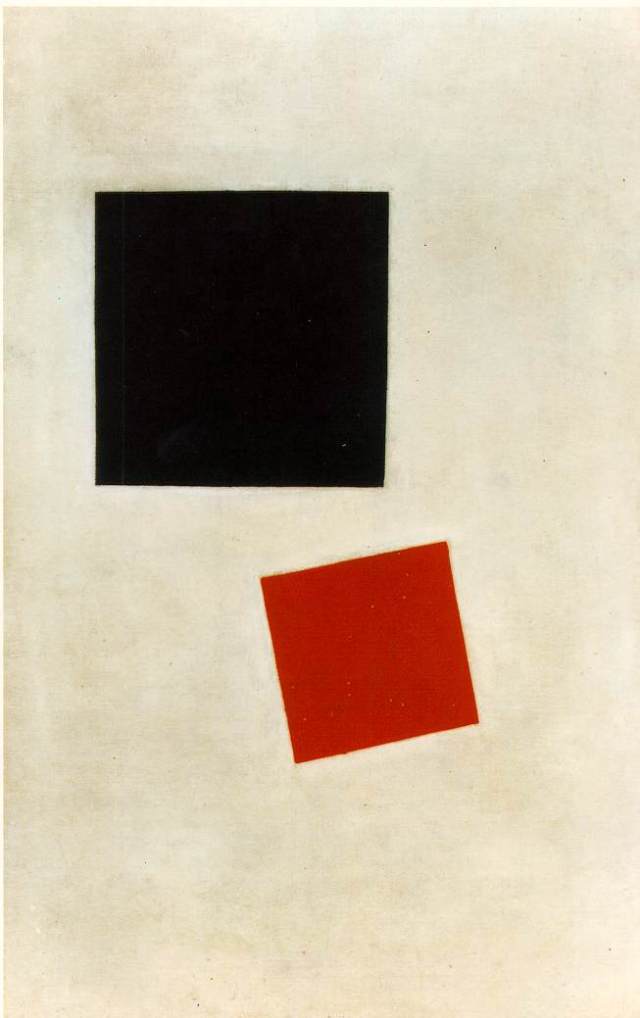
- Suprematismo

Movimiento de arte abstracto lanzado por Malevich en 1915.  Sus cuadros suprematistas son las obras abstractas más radicalmente puras creadas hasta esa fecha, pues se limitan a formas geométricas simples, el cuadrado, el triángulo, el círculo, la cruz y el rectángulo, y una reducida gama de colores. Según el artista ruso, todo lo expresivo y anecdótico que se encuentra todavía en la abstracción debe ser extirpado, aplicándose formas puras y absolutas en la plasmación de armonías sencillas. Tras depurar al máximo sus ideas en una serie de cuadros de un cuadrado blanco sobre fondo blanco (hacia 1918), dio por concluido el movimiento. El suprematismo fue el vehículo de las ideas espirituales de Malevich. Aunque sus seguidores directos en Rusia fueron figuras menores, ejerció una gran influencia en el desarrollo del arte y el diseño en Occidente, en concreto en la Bauhaus.
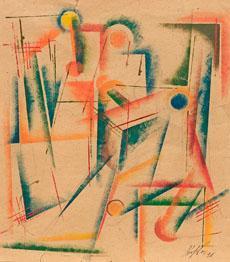
- Rayonismo

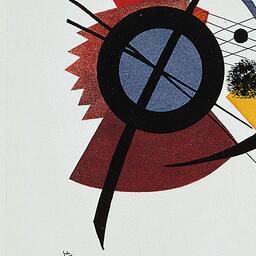
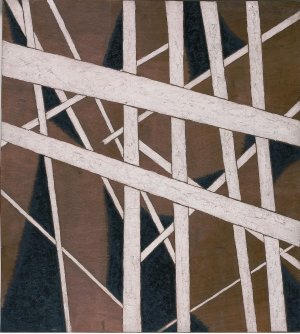
Estilo pictórico practicado por artistas rusos, como Gontcharova y Larinov, entre 1912 y 1914. Surge como adaptación propia de los artistas hacia el futurismo. Larinov y que es a su vez parte de una miscelánea editada con motivo de la exposición Blanco, celebrada en Moscú en 1913. Basado en unas composiciones construidas a partir de rayos de luz que se cruzan y se disuelven en motivos que cambian constantemente, es el rayonismo un importante foco de teoría artística al fundir en sus lienzos una estructura fundamentalmente cubista, con un sentido del movimiento propiamente futurista, siendo el conjunto de la obra totalmente abstracto al romper el tema en haces de líneas sesgadas tal y como se observa en Bosque verde y amarillo de Gontcharova, llegando el tema a desaparecer en otras ocasiones, como en Vidrio (Solomon R. Guggenheim Mus. de Nueva York, 1912 – 1913) de Larionov.

Kandinskij http://www.ibiblio.org/wm/paint/auth/kandinsky/

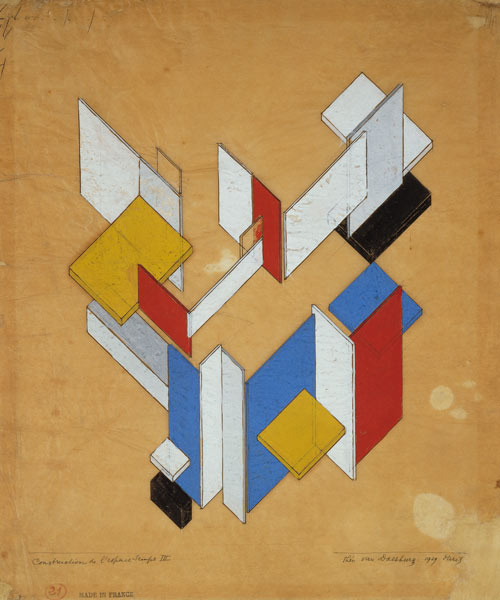
Mondrian http://www.artchive.com/artchive/M/mondrian.html

Constructivismo

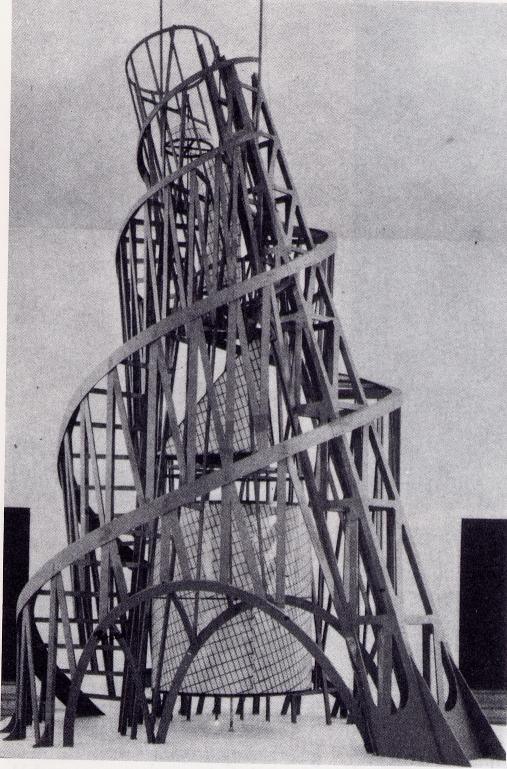
El constructivismo implica que la obra de arte sea una construcción, que se articule como un edificio y se realice siguiendo métodos análogos. Algunas ideas del manifiesto constructivista:
Proclamamos que el tono interno de los cuerpos, es decir, su sustancia material absorbiendo la luz, es la única realidad pictórica. No hay gráfica real en la vida de dos cuerpos. La línea no es más que un trazo accidental que el hombre deja sobre los objetos.Proclamamos la profundidad como única forma plástica del espacio. Proclamamos un elemento nuevo en las artes pláticas: los ritmos cinéticos, formas esenciales de nuestra percepción del tiempo real.

László Moholy-Nagy   http://www.radiomontaje.com.ar/fotografos/moholy_nagy.htm

Dadaismo

La obra de arte no debe ser la belleza en sí misma, o está muerta; ni alegre ni triste, ni clara, ni oscura, regocijar o maltratar a las individualidades sirviéndoles pasteles de las aureolas santas o los sudores de una carrera arqueada a través de la atmósfera. Una obra de arte jamás es bella, por decreto, objetivamente, para todos. Es un movimiento antiartístico, antiliterario y antipoético, ya que cuestiona la existencia del arte, la literatura y la poesía. Se presenta como una ideología total, como una forma de vivir y como un rechazo absoluto de toda tradición o esquema anterior.

Proclaman el anti-arte de protesta, del shock, del escándalo, de la provocación, con la ayuda de medios de expresión irónico-satíricos. Se basan en lo absurdo y en lo carente de valor e introducen el caos en sus escenas, rompiendo las formas artísticas tradicionales. Se sirvieron también del montaje de fragmentos y de objetos de desecho cotidiano.

Duchamp   http://www.epdlp.com/pintor.php?id=235

http://www.marcelduchamp.net/

Surrealismo

El surrealismo se apoya teóricamente en las ideas de Freud. Opone a la visión racional del mundo la del mundo interior, basado en la imaginación, en la fantasía, que viene dada a través de las pulsiones y del subconsciente (la parte de la mente no controlable). El artista debe expresarse partiendo de esta realidad inexplorada, «surreal».

Dalí, Tanguy, Magritte y Ernst plasman en sus cuadros motivos de universos irreales y oníricos que pintan de una forma realista. El surrealismo podía ofrecer dos variantes al nuevo prosélito. Una era el estilo meticuloso de Magritte o Dalí, con sus distorsiones. El surrealismo «figurativo» se apoya en la obra de Rousseau y en la Pintura metáfisica de Giorgio de Chirico. El otro era el estilo biomorfo de Miró Tanguy o Masson quienes sí que aplican el automatismo psíquico a sus creaciones. Este estilo se desarrolla cerca de la abstracción y se caracteriza por un automatismo gestual: es decir a través de la plasmación de unos impulsos internos que se desarrollan de forma momentánea y espontánea. A través del automatismo psíquico los artistas surrealistas son los precursores de las otras tendencias posteriores, como el informalismo o el expresionismo abstracto.

Miró http://fundaciomiro-bcn.org/

Magriette  http://www.epdlp.com/pintor.php?id=300

Dalí http://www.salvador-dali.org/es_index.html

Archivado bajo:tutorials/tutoriales , , ,

Sylvia Fitzpatrick, Alanis Gallery and her erotic vision. Sylvia Fitzpatrick, La galería Alanis y su visión erótica.

Alanis Gallery Sensual Images LogoVamos a comenzar esta nueva sección con una entrevista a Sylvia Fitzpatrick, una persona realmente interesante, inteligente y amable. Es cowner con Michiel  Seetan (realmente encantador también) de Alanis Gallery.

http://slurl.com/secondlife/Roissy%202/54/191/25

Sylvia Fitzpatrick

Silene Christen: Michiel me dijo que eres artista y cowner de esta galería, ¿no?
Sylvia Fitzpatrick: Eso es correcto. Todos los trabajos en la galería principal y aquí en la Galería Jardín es mi trabajo. Exponemos el trabajo incluyendo el trabajo de otros, seleccione ahora el de otros artistas de RL, de haber negociado los derechos de SL con ellos lo que hacen RL de arte, sobre todo … Como puede ver, hoy es el evento de lanzamiento para el precioso arte erótico de Erica Chappuis y la ilustración. Yo hago arte en RL y también estoy creciendo en SL. He hecho algunos trabajos por encargo, y he creado una obra de arte libre, similar a lo que hago en RL.
  Silene Christen: ¿Considera usted sl es una manera de promover el artista? O SL dispone de su propio arte?
  Sylvia Fitzpatrick: Oh, sí definitivamente. Hay algunos artistas como yo, que sólo presentan en SL. La Galería de Alanis sin embargo, es también una manera de traer verdaderos artistas y su trabajo superior a la atención de un público nuevo y enorme. Se vinculan en las exposiciones los sitios web de artistas y la esperanza de que la gente puede ir a comprar las cosas en real, no sólo la imagen virtual SL … excepto el mío … (sonríe). El mío es el único disponible en SL.
Silene Christen::) ¿Desde cuando está abierta la galería?
Sylvia Fitzpatrick: he creado la galería hace un año en un lugar diferente, muy pequeño. Creció conforme  mi portafolios se amplió. Michiel, mi pareja, y yo hemos trabajado muy duro para generar el interés que tiene ahora. Hemos estado en Roissy tal vez 2 meses, o 3 … El tiempo juega trucos en SL;)
Silene Christen: Sí, eso es cierto.
Sylvia Fitzpatrick: nos deja atónitos a los números que ahora visita. Para nosotros no va a ser una tarea difícil, en primer lugar, somos una galería. Hemos recuperar nuestros costes y financiar mi hábito de zapatos.
Silene Christen::))) veo un montón de pfotografía RL en su trabajo, sólo la fotografía RL?                                                                                                         Sylvia Fitzpatrick: Tengo trabajo sl. Tengo sólo unos pocos aquí, en el Cenáculo, en el primer piso. Hay otras que aún no han sido expuestas, sin embargo, como usted ve, estamos a punto de explotar
  Silene Christen: sí.)
Sylvia Fitzpatrick: pero el trabajo sí es de la fotografía en primer lugar en SL. Sin embargo no es tomar imágenes e imprimirlas. Mis imágenes son muy trabajadas, la creación de algo no es realmente una fotografía … mi trabajo es erótico, pero nunca gráfico, sensual y sexual no es sexy 
 Silene Christen: Sí, lo veo muy trabajado y el arte sensible. Aparte de la fotografía, veo .. escultura interactiva?
Sylvia Fitzpatrick: Cierto. Yo fuí abordada por el propietario de las estatuas vivientes. Esa es la instalación que ves en la Galería principal. Las estatuas de todos los esclavos son propiedad de Nova Fhang. Son inmensamente populares.
Silene Christen: Haces también la piel de los modelos?
Sylvia Fitzpatrick: en respuesta a este interés he diseñado otro elemento que el público puede tener una experiencia interactiva con la sensación de la objetivación de la que tienen los esclavos de la sumisión total. Tenemos personas que les gusta utilizarla, y hablar con los visitantes acerca de cosas. Otros son subs o esclavos poseidos por sus Amos/Amas, que los traen para educar o simplemente por orgullo en el encanto de su posesión. Algunos buscan la paz y la tranquilidad de la galería, o pensar en cosas.
Silene Christen: Estoy seguro de que logrará el éxito:)) Es muy nuevo e interesante, por supuesto.
Sylvia Fitzpatrick: El programa de exposiciones de otros artistas de RL es realmente emocionante                                                                                            Silene Christen: todos son eróticos?
Sylvia Fitzpatrick: sl está  inundado con imágenes subidas de rl sin tener en cuenta derechso de autor. Me sentía culpable de ello desde el principio, ahora nos acercamos a los artistas para explicar lo que hacemos y que esten interesados en nosotros. Tenemos alrededor de 8 hasta el momento y teniendo en cuenta los demás, la necesidad de saber más acerca de SL.
Silene Christen: bien, voy a tratar de mantener informada de las proximas exposiciones :) ) Muchas gracias por tomarse el tiempo para esta entrevista.                                                                                                                                                                                                                                                                          Sylvia Fitzpatrick: muchas gracias por su interés, Silene.

michiel seetan 2

Let’s start this new section with an interview with Sylvia Fitzpatrick, a really interesting, intelligent and kind. With Michiel  Seetan (really lovely too) is co-owner of  Alanis Gallery.

Silene Christen: Michiel told me you are artist and cowner of this gallery, isn’t it?
Sylvia Fitzpatrick: that’s right. All the work in the Main gallery and here in the Garden Gallery is my work. We exhibit other selected work including now the work of other rl artists, having negotiated the sl rights with them so you make art rl, mainly…  as you see, todays event is the launch for Erica Chappuis’ beutiful erotic art and illustration. I creat art in rl and also growing in sl. I have done a few commissions, and have created some self art, similar to what i do in rl.
 Silene Christen: Do you consider sl is a way to promote the artist? Or sl has it’s own art?
 Sylvia Fitzpatrick: Oh yes definitely. There are some artists like me who only exhibit in SL.  The Alanis Gallery however is also a way of bringing real Artists and their work top the attention of a huge new audience. We link the exhibitsto the artists websites and hope that people may go on to buy the real thing, not just the sl virtual image… except my own… (smiles). Mine is solely available in sl.
Silene Christen: :) How long is this gallery open?
Sylvia Fitzpatrick: i created the gallery a year ago in a different location, very small. It grew as my portfolio expanded. My Partner Michiel and I have worked very hard to create the interest it now has. We have been in Roissy perhaps 2 months, or 3… Time plays tricks in sl ;)
Silene Christen: yes, that’s true.
Sylvia Fitzpatrick: we are astounded at the numbers who now visit.  We dont go for a hard sell,  first and foremost we are a gallery. We recover our costs and finance my shoe habit.
Silene Christen: :) )) I see a lot of rl photrograph in your work, only rl photograph?                                                                                                                      Sylvia Fitzpatrick: i have some sl work. I have only a few here, in the Upper Room on the first floor. I have may others not shown yet as you see, we are bursting at the seams
 Silene Christen: yes.)
Sylvia Fitzpatrick: but yes primarilymy work is from sl photography. However I dont take images and print them. My  images are highly worked, creating  something not really a photograph… my work is erotic, but never graphic, sensual and sexual not sexy
 Silene Christen: Yes i see very worked and sensitive art. Apart from photograph, i see interactive sculpture..?
Sylvia Fitzpatrick: thats right. I was approched by the Owner of the Living Statues. That is the installation you see in the Main Gallery. I the statues are all slaves owned by Nova Fhang. It has been imensly popular.
Silene Christen: do you make the skins also of the models?
Sylvia Fitzpatrick: in response to this interest I designed other element which the public can interract with experince the feeling the objectification of the  slaves thesense of total submission. We have individuals who like to pese her, and talktovisitors about things  others are subs or slaves posed by theire Dom/mes, to educate  or just out of pride in the lovelieness of their possession some just like the peace and quiet of the gallery, to think about things
Silene Christen: i’m sure you’ll success:)) It’s quite new and interesting of course
Sylvia Fitzpatrick: The programme of exhibitions of other rl artists is the ost exciting                                                                                                                       Silene Christen: all erotic ones?
Sylvia Fitzpatrick: sl is swamped with uploaded images- we wre guilty of it too at the outset,  now we approach artists, explain what we do and they are interested in us. We have about 8 so far  and others considering, needing to know more about sl.
Silene Christen: well, i’ll try to keep informe of exhibtions:)) Thank you very much for taking the time for this interview.                                          Sylvia Fitzpatrick: thank you so much for your interest, Silene

Archivado bajo:Gallery owners , , , , , ,

El proceso creativo: Noke Yuitza

Vamos a seguir viendo el proceso de crear de los artistas que amablemente nos quieren ayudar en esta labor educativa, porque nos enseña a pensar artísticamente y porque nos ayuda a comprender mejos las obras.

Én esta ocasión contamos con la valiosa colabóración de Noke Yuitza, artista SL y RL catalana que en esta ocasión nos habla de su ultima obra.

We will continue to watch the process of creating artists who kindly like to help with this educational effort, because it teaches us to think artistically, and it helps us understand Mejos works.

On this occasion we received valuable assistance from Yuitza Noke, SL and RL Catalan artist on this occasion speaks of his last work.

noke2

Silene Christen: Hola cielo, gracias por ofrecerte a participar en los tutoriales sobre proceso creativo
 Noke Yuitza: gracias a ti, por invitarme a participar
Silene Christen: para empezar, que te surge primero? una idea? un concepto?                                                                                                                                  Noke Yuitza: pues depende, muchas veces, nacen en un sueño,mientras duermo. Otras es el concepto y a veces, me viene una imágen muy nítida, como si estuviera viendo una fotografía, de la obra.

Silene Christen: Hello dear, thanks for volunteering to participate in the tutorials on creative process 
 Noke Yuitza: thank you for inviting me to participate
Silene Christen: first, that you encounter first? an idea? a concept?

Noke Yuitza: it depends often born in a dream while I sleep. Other is the concept and sometimes comes very sharp an image as if looking at a photograph of the work.

noke1
Silene Christen: En el caso que vamos a ver, como fueron los principios?
 Noke Yuitza: en sl o rl?
 Silene Christen: el proyecto que vamos a ver los pasos, este por ejemplo en el que trabajas.
 Noke Yuitza: éste nace de un sueño que tuve hace aproximadamente un mes.
 Silene Christen: viste la obra o imagenes?
 Noke Yuitza: vi la obra al completo y espero ser capaz de reproducirla ;)
Silene Christen: seguro! jaja
Noke Yuitza: jajaja
Silene Christen: bueno a grandes rasgos que viste? así podremos docuemntar los pasos hasta el resultado final
Noke Yuitza: estaba en el mar, entre unas burbujas que pertecenen a otra obra que hice para La Fratte (se llama Future Sex Love Buble), eran enormes y entonces atravesé un conjunto de burbujas más pequeñas, que más parecían unos huevos de sepia brillantes todos apelotonados como formando un cuenco y cuando lo atravesaba, los huevos salían disparados hacia delante, pasándome por los lados. Quizá el significado onirico es una metáfora de la vida… ;)
 Silene Christen: si, puede ser ;) Aquella esfera es una de las fases iniciales del proyecto?
 Noke Yuitza: Ahora ando intentando reproducir ese efecto. Si, exacto Sile
 Silene Christen: el sigueinte paso tuyo es el efecto de dispersion?
Noke Yuitza: Primero, hacer las bolas y mirar de ajustar la obra a los prims que me permiten usar y entonces, intentar recrear ese efecti de dispersión y movimiento: pelear con los scripts jajaja  intentar domarlos y experimentar.
Silene Christen: lo lograrás seguro:)
Silene Christen: te consideras una artista onírica? cinética?
Noke Yuitza: eso espero! Gracias Sile. Me considero una creadora. Pero es dificil ponerse una etiqueta, verdad?
Silene Christen: ningun artista quiere etiquetarse, pero a veces para comprender la historia del arte acabamos poniendo etiquetas, al menos nos ayuda a conocer que caractarésticas generales vamos a encontrar en determinado artista.
Noke Yuitza: Tienes razón. Pero quizá mejor, la etiqueta la pongan los observadores
Silene Christen: si, eso pensaba, que acabaremos “etiquetandote” jajaj
Noke Yuitza: para mi., son limitantes jajajja! ostras, acabas de darme una idea para una obra
Silene Christen: si, además no definen del todo a un artistajajaja
Noke Yuitza: he visto la imagen
Silene Christen: a mi tambien me surgió una
Noke Yuitza: olé
Silene Christen: las mentes creativas se potencian juntas:)
Noke Yuitza: si! jajaja
Silene Christen: oye, estaría bien comparar resultados. La idea imagino ha sido la misma, o el concepto base
 Noke Yuitza: pues si
Silene Christen: pero seguro que los resultados serán asombrosamente distintos!
Noke Yuitza: seguro y eso es lo bonito del arte
Silene Christen: pues quedamos emplezadas a vernos , veremos la etapa final de esta obra y veremos los resultados de este “encuentro”:)
Noke Yuitza: esa capacidad para coger y con la misma idea, hacer cosas diferentes
Silene Christen: si, también es un sistema de trabajo reunir a varios y partiendo de una misma idea, creación libre. Se utiliza en talleres literarios, de pintura, etc
Noke Yuitza: y eso es seguro a la percepción interior de la propia vida, que es irrepetible de individuo a individuo
Silene Christen: el artista siempre vierte un “algo” de sí mismo
Noke Yuitza: exacto
Silene Christen: Noke, un placer!!!! te dejo currar vida y nuevamente gracias mil!
Noke Yuitza: igualmente Sile, ha sido de lo más productivo!
Silene Christen: bueno, esperemos! jajaja
Noke Yuitza: gracias Sile
Silene Christen: un beso
Noke Yuitza: un beso wapa!
A ver qué tal nos queda lo de “Etiketas”
Silene Christen: siiiii

Silene Christen: In the example we’re going to see, how were the principles?
Noke Yuitza: in sl or rl?
Christen Silene: the project that we will learn the steps, this for example in which you work.
Noke Yuitza: this stems from a dream I had about a month ago.
Silene Christen: Did you see the work or images?
Noke Yuitza: I saw the completed work and hope to be able to nake it;)
Silene Christen: sure! jaja
Noke Yuitza: jajaja
Silene Christen: Well broadly what didyou see? so we can docuemnt steps till the final result.
Noke Yuitza: I was at sea, between some bubbles that’s belong to another work I did for The Fratte (called Future Sex Love Buble), were huge and then went through a series of smaller bubbles that looked more like a cuttlefish eggs bright all huddled together as if forming a bowl and when I crossed, eggs shot out ahead, passing through the sides. Perhaps the dreaming meaning  is a metaphor for life … ;)
Silene Christen: yes, it can be;) That sphere is one of the initial phases of the project?
Noke Yuitza: Now’m trying to reproduce that effect. Yeah, exactly Sile
Christen Silene: Next step yours is getting the effect of dispersion?
Noke Yuitza: First, make the balls and look to adjust the prim work that allow me to use and then try to recreate that effec dispersal and movement jajaja fight the scripts try to tame them and experiment.
Silene Christen: you’ll get it for sure :)
Silene Christen: consider yourself a fantasy artist? kinetic one?
Noke Yuitza: I hope! Thanks Sile. I consider myself a creator. But it’s hard to put a label, right?
Silene Christen: No artist wants to be labeled, but sometimes to understand the history of art, just by labeling at least helps us to know that general features are going to find in a particular artist.
Noke Yuitza: You’re right. But perhaps better, the label put observers
Silene Christen: Yes, i thought so, we’ll end “labeling”  you jajaj
Noke Yuitza: For me, are limiting jajajja! cool!, just give me an idea for a work
Silene Christen: yes, they well not entirely define a a artist jajaja
Noke Yuitza: I saw the picture of the new work
Silene Christen: I get to also

Noke Yuitza: olé
Silene Christen: creative minds are harnessed together:)
Noke Yuitza: Yes! lol
Silene Christen: hey, it would be nice to compare results. I imagine the idea was the same, or the basic concept
Noke Yuitza for if
Silene Christen: but surely the results will be amazingly different!
Noke Yuitza: safe and that’s the beauty of art
Silene Christen: We have an appointment to see us, we will see the final stage of those works and see the results of this “meeting”:)
Noke Yuitza: the ability to catch and with the same idea, do different things
Silene Christen: yes, it is also a working system and starting bringing together many of the same idea, creating free. It is used in literary workshops, painting, etc.
Noke Yuitza: And she sure the internal perception of one’s life, which is unique from individual to individual
Christen Silene: the artist pours always “something” of himself
Noke Yuitza: exact
Silene Christen: Noke, a pleasure!! I leave you work and many thanks again!
Noke Yuitza: Sile also has been very productive!
Silene Christen: Well, wait! lol
Noke Yuitza: thanks Sile
Silene Christen: a kiss
Noke Yuitza: un kiss! Let’s see how we have it from “Etiketa”
Silene Christen: Yes!!

Archivado bajo:tutorials/tutoriales , , ,

Movimientos artísticos finales XX principios XXI.

Quiero comentar movimientos artísticos que impregnan las obras de Second Life en la actualidad. Algunos puede que no esten en las enciclopedias de arte, pero merecen su reconocimiento. Este artículo lo iré revisando y ampliando, pido paciencia ;)


I want to comment on artistic movements that pervade the works of Second Life today. Some can that are not in the encyclopedias of art, but deserve recognition. This article is being revised and expanded go, I ask patience;)

Arte Gótico, movimiento Goth. El Dark. Goth and Dark Art.

Usualmente se dice que el gótico es un movimiento derivado (hasta degenerado) del Punk; si bien esto tiene algo de cierto, es muy insuficiente para definirnos. Como ya se ha visto, la cultura gótica toma diversos elementos de la producción artística y cultural contemporánea, de echo sus bases está más arraigadas en estas visiones. Quizás sería mejor decir que los góticos, comulgando con el sentimienton de desilusión, se enfrentan a ella de otra manera, más intimista, viendo la existencia como un abismo.

En antecedentes más remotos tuvo sus inicios en Francia en 1860 con el movimiento situacionalista, que era encabezado por obreros y estudiantes que se maquillaron la cara de blanco y se vestían de negro, para ejemplificar así que la sociedad y la opresión los tenían muertos. Mas sin embargo el gótico como movimiento contracultural fuerte nació a principios de los 80´s y se consolidó a mediados de los 80´s. Ya que después de la muerte del punk y ese escándalo masivo de repudio a la sociedad, vino una época de calma “espiritual” en la que se busca una identificación consigo mismo, un significado de la vida, un si hay futuro pero qué nos propone el futuro sino la muerte. Así comenzó un movimiento que comenzó a ser llamado gótico o punkgothico, ya que traían algo de la filosofía punk, pero más decadente y sin violencia. Vestían de negro y blanco para decir que eran puros del alma y que la muerte los espera a cada momento, se maquillaban la cara de blanco y de negro los ojos, labios y uñas para decir “vean esto: la sociedad nos ha matado”. 

 Sabemos que el movimiento romántico apareció como protesta del ideal Moderno e Ilustrado del hombre, que lo despojaba de sus emociones y sentimientos profundos poniéndolo básicamente como ente de razón. En cierta forma el movimiento gótico es heredero del Romanticismo. Así, la literatura gótica es de hecho una derivación de la romántica, que encontraba atractivo en la fantasía, lo oculto y lo desconocido e impenetrable a la pura razón, donde solo los sentimientos encontraban posibilidad de asentarse a percibir el sentido de las cosas. Podemos ver en Lord Byron a un precedente claro del movimiento Gótico.

En resumen: es un movimiento de origen juvenil, ligado al desencanto por la sociedad actual. Desemboca en una estética que impregan desde la moda a todas las ramas del arte. Enraizan en el romanticismo, siendo algunos libros como las novelas góticas victorianas, libros de culto (es un movimiento con marcada base literaria). De esa cultura romántica viene las facetas de vampirísmo, de acercamiento a la muerte como forma de enfrentar los propios miedos, de amor a la ocuridad. Su filosofía es de tolerancia, mentalidad abierta, inteligencia y entendimiento. Hay cierta androgínia, quizás como forma de búsqueda de la igualdad, donde hombre y mujeres pueden ir maquillados, llevar faldas, uñaz pintadas, etc. Curiosamente no es un movimiento pesimista ya que a pesar de ver ocuridad a su alrededor, intentan aceptarla y convivir con ella.  Tienen un fuerte humor negro que les hace reirse de ellos mismos y de lo absurdo. Buscan consuelo y belleza en lo que el resto de la sociedad teme. Aunque algunos no opinen así, el Dark podríamos considerarlo una redicalización del Goth. (Otro término con el que se asocia a los incios del goth es el termino siniestro).

Otras claves que diferencian goth de dark:

Expresiones artísticas: Unidos con su forma espiritual, su arte es una viva representación de ello, siendo su literatura y expresión artista mas imaginativa, gustosa de comparaciones y formato de lenguas antiguas. Todo este cúmulo de expresión es tan solo un reflejo de su propio espíritu, llevando a una búsqueda de su propia expresión ligados con la melancolía, lo tétrico, lo místico y todo lo que encierra en su cultura, es por esto que de seguro cada individuo gótico tenga una amplia disposición hacia el arte o algunas de sus ramas. Sistemáticamente el Dark es más crudo en sus expresiones artísticas, tienden a un aspecto más minimalistas y pensante; llevando a un vaciamiento de las riquezas lingüísticas e imaginativa en su arte, pero un aspecto mucho más simple y directo.

Reflejo estético: La estética del gótico es mas extravagante que la del Dark, siendo la del Dark más neutra, si bien muchas veces tiende a ser la misma, la Gótica tiene un aspecto mas simbólico
Diferencia espiritual: Ligados con su espíritu y su reconocimiento como entidad egoica, no es raro que el gótico tienda a reconocerse a si mismo como un espíritu eterno; muchas veces identificado con espíritus místicos. Hasta muchas veces dicen tener su condición cultural como algo extraído anteriormente a su nacimiento. En el Dark la condición espiritual esta desligada de si mismo, llevándolo a un aspecto secundario y no primario, su reconocimiento es como un ejemplo más mental y neutro obtenido de un concepto más pensante y filosófico neutro.

Otros aspectos: El gótico defiende su condición como integrante de su cultura y su condición como parte de ella. El aspecto individualista de la contra cultura Dark muchas veces lo lleva a no reconocerse a si mismo como integrante de su propia contra cultura. También debo aclarar que para el gótico la idea de la vida eterna y la no muerte del ser es un punto en su filosofía de vida cotidiana sin ponerlo en duda. En el Dark esto es un aspecto más combativo, llevando a muchos a no creer en ella y otras veces a discernirlo.

Una buena web de arte goth y dark.  http://www.the-black-angel.com/index1.html

                                                                          http://www.goth.net/art/index.html

Usually we say that the gothic movement is a derivative (even degenerate) of Punk, but this has some truth, it is insufficient to define them.Como we have seen, the Gothic culture takes diverse elements of artistic and cultural production contemporary, in fact their bases are more entrenched in these visions. It might be better to say that goths, communing with the feelings of disappointment, her face differently, more intimate, seeing existence as an abyss.

In more remote history had its beginnings in France in 1860 with the Situational movement, which was led by workers and students who mask their faces white and wore black, so to illustrate the oppression of society and had them killed. But as yet the Gothic was born strong countercultural movement of the 80 principles was consolidated in the mid 80’s. Since after the death of punk and the scandal massive repudiation of society, came a period of calm “spiritual” which seeks an identification with himself, a meaning of life, an if no future but what we proposed the future but death. Thus began a movement that began to be called Gothic or punkgothico, and they brought some of the philosophy punk, but most decadent and without violence. They were dressed in black and white to say they were pure of soul and that death awaits at every turn, wore makeup and white face with black eyes, lips and nails to say “see this: the company has killed us.”

  We know that the romantic movement appeared in protest of the ideal modern and enlightened man, stripped him of his emotions and deep feelings as being basically putting a point. In a way the goth subculture is the heir of Romanticism. Thus, the Gothic is in fact a derivation of the romantic, which was attractive in fantasy, the occult and the unknown and impenetrable to reason alone, where only the possibility of settling feelings were to perceive the meaning of things. We can see from Lord Byron to a clear precedent in the Gothic movement.

In short, home is a youth movement, linked to disenchantment with modern society. Aesthetic results in a impregnating from fashion to all branches of art. Rooted in romanticism, with some books such as Victorian Gothic novels, books of worship (it is a movement with strong literary basis). That culture is romantic aspects of vampirism, getting closer to death as a way of dealing with their own fears, love of occurred. Its philosophy of tolerance, openness, intelligence and understanding. There are certain androgyny, perhaps as a way of seeking equality, where men and women can be made up, wearing dresses, unaz painted, etc.. Interestingly not a pessimistic movement as they occur despite seeing around, trying to accept and live with it. They have a strong black humor that makes them laugh at themselves and the absurd. Seek solace and beauty in what the rest of society fears. Although some judgments not so, the Dark redicalización could consider a goth. (Another term that is associated with the beginning of the term goth is sinester).

Other clues that differentiate the dark goth:

Artistic expression: States with his spiritual form, his art is a living representation of it, and its literary and artistic expression imaginative, delicious format comparisons and ancient languages. All this wealth of expression is just a reflection of his own spirit, leading to a search of its expression associated with melancholy, gloomy, mystical and everything that lies in its culture, which is why each individual insurance Gothic is widely available to art or some of its branches. Dark is systematically more crude in their artistic expressions tend to a more minimalist thinking, leading to a depletion of wealth in his linguistic and imaginative art, but a much more simple and straightforward.

Aesthetic Reflection: The aesthetics of the Gothic is more extravagant than the Dark, being the most neutral of the Dark, if often tends to be the same, the Goth is on a more symbolic
Spiritual Difference: Linked with his spirit and his ego status is not uncommon that the Gothic tends to recognize himself as an eternal spirit, often identified with mystical spirits. So often say they have their cultural status as something removed above his birth. In the Dark spiritual condition is detached from himself, leading to a secondary, not primary, their recognition is a mental and neutral example obtained from a more neutral and philosophical thinking.

Other aspects: The Gothic defend its status as part of their culture and their status as part of it. The individualistic aspect of the counterculture Dark often leads to not recognize itself as part of their own counterculture. I should also clarify that for the Gothic idea of eternal life and death not be a point in his philosophy of everyday life without question. In the Dark This is a more combative, leading many to not believe in it and sometimes to discern.

Some webs of goth/dark art . http://www.the-black-angel.com/index1.html     http://www.goth.net/art/index.html

Arte Grunge/ Grunge Art

El arte Grunge es un término usado recientemente para el arte que tiene una estética vieja, rasgada, sucia, y generalmente la contraparte de los generalmente elegantes o bonitos trabajos.
Con un simbolismo sumamente personal y la iconografía, el arte grunge a menudo toma la mirada de desorden o caos, como si quizás la paleta de pintura por se volcara sobre la pintura. El error después del error, el pedazo toma una mirada de desorden, manchando pulcritud y la orden.

Es un movimiento con conocidos artistas a nivel musical, pero está inundando el mundo del diseño gráfico y el arte digital. Es el diseño que muestra fondos sucios, líquidos salpicados, imágenes desgarradas y arrancadas de ripografías manchadas y veteadas, fondos esparcidos como si fuera un vidrio roto, etc..

En second Life viene aparajeado con la moda neko y la urbana -grunge, con una estética muy especial en el diseño de ciudades, calles, tiendas, de SL.

En la web se ven ejemplos de arte grunge. http://www.xem.cl/estudiantes/grunge/38382-arte-grunge.html

Grunge art is a term used recently for art has an aesthetic that old, torn, dirty, and generally the counterpart of the usually elegant and beautiful work .
With a highly personal symbolism and iconography, grunge art often takes the look of disorder or chaos, as if maybe the paint palette to tip over the paint. The error after error, the piece takes a look of disarray, staining neatness and order.

It is a movement known artists with musical level, but is flooding the world of graphic design and digital art. Is design showing dirty funds, liquid splattered, tattered and torn images of stained and streaked ripografías, funds scattered like broken glass, etc. ..

In Second Life aparajeado comes to fashion and urban neko-grunge, with a very special aesthetic design of cities, streets, shops, SL.

In the web we can see examples.

http://www.xem.cl/estudiantes/grunge/38382-arte-grunge.html

As SL art, the work of the Sebcaen Ulysess at:

Como arte, la obra de Sebcaen Ulysess en esta dirección:

http://slurl.com/secondlife/Wandering%20Spirits/25/182/22

Como estética urbanísitca SL , un ejemplo. As SL urban aesthetics, one example.

http://slurl.com/secondlife/addiXion/147/59/29


Archivado bajo:tutorials/tutoriales , , , , ,

ARTE EN SECOND LIFE. CLASES / SECOND LIFE ART. TYPES.

Lo que voy a realizar es muy arriesgado: Intentar resumir el tipo de arte (diferente a los movimientos artísiticos) que se dan en Second Life.

What I will do is very risky: Trying to summarize the type of art (different from the artistic movements) that occur in Second Life.

ARTE IMPORTADO

Es el arte que se ha traido o es intento de copiar el arte de RL.

* Pintura (fotos de cuadros de RL)

* Escultura (Copia o obra nueva con estética puramente RL. Sobre todo arte  figurativo)

* Video/mix media . Las Opciones de conexión a You Tube o de mostrar videos, facilitan que se puedan ver en SL.

* Fotografía RL.

* Arte digital (aqui la línea divisoria es más difícil, pero considero el arte digital puro como de RL, y el que utiliza las imágenes de SL como propio de Second Life, ya que sin SL no tendría existencia).

ARTE MIXTO

*Las formas de arte que realizadas en SL, contienen fotografías, vídeos, etc de RL.

SECOND LIFE ART

Puramente de SL, este arte tiene diferentes manifestaciones.

* Escultura. Donde Se basa en recusos propios del programa, y evoluciona a partir de ellos.

* Pintura/arte digital/fotografía/ Arte 2D. Utiliza básicamente los escenarios y las “personas” (avatares) del programa.

* Video/Películas/mix media. Básicamente lo mismo dicho en el Punto anterior.  Aquí encontraríamos el Machiminia.

* Performance y Happenings.

* Instalaciones/Arte 3D. Con una línea dificil de discenir en ocasiones entre instalación propiamente dicha y escultura (por los propios recursos del programa), las instalaciones en SL Pueden ser:

- Instalaciones simples.

- Instalaciones con performance/happenings

- Instalaciones Inmersivas

- Instalaciones Reactivas.

Las características del programa (de los visores de Second Life), permiten desarrollar este tipo de arte que paso a definir:

* Arte Reactivo. Ante la presencia del avatar, desencadenan cambios en la estructura de la obra en sí. Hay varias maneras de que tenga lugar esta interacción: Sensor de presencia, acciones, temporalidad.

* Arte inmersivo: La obra de arte se completa en su totalidad cuando el avatar penetra en la obra.

*Arte inmersivo -reactivo. Precisa de la interacción física del avatar para producir cambios, que acontecen alrededor de éste.

En ocasiones nos encontrarmos con que estas divisiones son de alguna manera transgredidas, por ejemplo cunado vemos obras 2d que al aproximarse el avatar cambian su estructura, ofreciendo estructuras 3d. Realmente la riqueza del arte en second life es difícil encorsetarla en unas líneas (y mejor no preguntar a los artistas mismos  hahaha ), pero esta guía nos servirá para su estudio y posterior recopilación de tantas obras como hay.

IMPORTED ART /uploaded

It is the art which has brought or is attempting to copy the art of RL.

* Painting (pictures of pictures of RL)

* Sculpture (Copy or newly built purely aesthetic RL. Above all figurative art)

* Video / mix media.  Options of connect to You Tube or show videos, provided that can be seen in SL.

* Photograph RL.

* Digital art (here the line is more difficult, but I think digital art as pure RL, and images using SL as Second Life itself, without which there would not SL).

ART MIXED

* The forms of art made in SL, containing photographs, videos, etc. RL.

SECOND LIFE ART

Purely in SL, this art has different manifestations.

* Sculpture. Where recourses are based on the program itself, and evolves from them.

* Painting / digital art / photography / Art 2D. Basically uses stages and “persons” (avatars) from the program.

* Video / Movies / mix media. Basically the same thing said in the previous point. Here you find the Machiminia.

* Performance and Happenings.

* Facilities or installations/ Arte 3D. With a difficult line between discenir sometimes actual installation and sculpture (by the own resources of the program), the facilities in SL can be:

- Simple Installation.

- Installations with performance / happenings

- Immersive Installations.

-  Reactive Installations.

Program features (of the Second Life viewer) allow developing this type of art which I shall define:

* Art Reactive. In the presence of the avatar, trigger changes in the structure of the work itself. There are several ways that this interaction takes place: presence sensor, actions, timing.

* Immersive Art: The artwork is completed in full when the avatar enters the work.

* Immersive Art-reactive. It requires physical interaction of the avatar to make changes, which occur around him/her.

Sometimes we find that these divisions are somehow transgressed, for example when 2d we see that the approach works on avatar change their structure, providing 3D structures. Really, the wealth of art in second life is hard limitation in a few lines (and better not ask the artists opinions hahaha), but this guide will help us study and subsequent collection as there are so many works.

Archivado bajo:tutorials/tutoriales , , , , , , ,

MOVIMIENTOS ARTÍSTICOS S. XX (II).DESDE LOS 50./ ART MOVEMENTS S.XX, FROM 50s

TENDENCIAS ABSTRACTAS

ACTION PAINTING

Intenta expresar mediante el color y la materia del cuadro, sensaciones tales como el movimiento, la velocidad, la energía. Son muy importantes el color y los materiales no específicamente pictóricos con que se trabaja (arena, alambre…) para conseguir una superficie peculiar en la superficie del cuadro.Desde el punto de vista técnico, consiste en salpicar con pintura la superficie de un lienzo de manera espontánea y enérgica, es decir, sin un esquema prefijado, de forma que éste se convierta en un «espacio de acción» y no en la mera reproducción de la realidad.En esta técnica, el principal elemento es la acción o movimiento por parte del pintor con relación al aspecto físico de la pintura, en conjunto con la superficie donde trabaja, por esta razón la principal pintura a utilizar en esta técnica es la pintura acrílica. La pintura es derramada de forma sistemática, ingenua o espontánea por parte del artista, cuando va creando su obra y de esta forma plasma sus ideas y conceptos abstractos en gran parte, debido al resultado en consecuencia de la técnica. Con la pintura acrílica es muy práctica la forma de acción, dejando caer o gotear el líquido de cada color sobre la superficie. Dripping.

   Jackson Pollock -  http://www.youtube.com/watch?v=CrVE-WQBcYQ

COLOR FIELD PAINTING

La pintura color-field es  una última alternativa del expresionismo abstracto, centrada en el color y sus posibilidades expresivas.  Surgió igualmente en torno al año 1947. Crearon cuadros en los que dominaban amplias áreas de color, todas ellas de igual intensidad. No hay en sus obras contrastes de luz o de colores. El dibujo y el gesto se hicieron simples. En muchas obras se trabajaba con un solo color con diferentes tonalidades. Son cuadros cercanos al neoplasticismo pero, a diferencia de él, las áreas de color son abiertas, y parecen seguir más allá de los bordes del cuadro.

Mark Rothko – http://www.babab.com/no17/rothko.htm

EXPRESIONISMO ABSTRACTO

En términos generales, puede señalarse como características formales de este estilo, en primer lugar, su preferencia por los grandes formatos. Trabajaban normalmente con óleo sobre lienzo. Generalmente son abstractos en el sentido de que eliminan la figuración. No obstante, hay excepciones y algunos emplean trazos figurativos, apareciendo figuras reconocibles, como ocurre con las Mujeres de Willem de Kooning. Las telas presentan un aspecto geométrico que las hace diferentes de movimientos precedentes, como el surrealismo. Una de las características principales de los expresionistas abstractos es la concepción de la superficie de la pintura como all over (cobertura de la superficie), para significar un campo abierto sin límites en la superficie del cuadro: el espacio pictórico se trata con frontalidad y no hay jerarquía entre las distintas partes de la tela. Fue el crítico Greenberg el que calificó el trabajo de pintores como Pollock de all over. El cromatismo suele ser muy limitado: blanco y negro, así como los colores primarios: magenta, amarillo y cian. Los pintores expresionistas que redujeron la obra a prácticamente un solo color estaban ya anticipando el arte minimal. Este tipo de cuadros, con violentos trazos de color en grandes formatos, presenta como rasgos distintivos la angustia y el conflicto, lo que actualmente se considera que refleja la sociedad en la que surgieron estas obras.

Willem de Kooning  - http://www.slideshare.net/spartyboy/willem-de-kooning

INFORMALISMO EUROPEO

Se trata de una corriente abstracta cuyos elementos esenciales son los materiales y los procedimientos técnicos empleados para obtener la obra. Cualquiera de los aspectos formales restantes, ya sean compositivos o cromático s se encuentran claramente supeditados a aquéllos.Para ellos sus obras eran artísticas y, aunque en ciertos casos planteasen una dura crítica a la sociedad a través de las técnicas de destrucción o metamorfosis que empleaban para construir sus pinturas,. siempre quedaba expresada desde una posición estrictamente individual y no adquiría carácter de manifiesto colectivo.

- ART BRUT

Es el caso del art brut, del “arte en bruto” o outsider art: un tipo de obras difícilmente clasificables y unidas por su origen al margen de cualquier institución artística cuyo descubrimiento para el gran público se debe al artista y teórico del arte Jean Dubuffet (1901-1985), quien definió el art brut como un práctica artística realizada por personas a salvo de la cultura. Dubuffet se interesó por las creaciones de los locos, de los niños, de quienes decidieron alejarse de la civis, obras que no se parecen ni al arte naíf, ni a las artes populares, ni a las producciones contraculturales.

Jean Dubuffet       http://www.ricci-arte.com/es/Jean-Dubuffet.htm

- GESTUALISMO

Concepto genérico para la totalidad de los gestos de expresión corporal, activados para la representación de la idea o sensación artística.

Hans Hartung  http://www.epdlp.com/pintor.php?id=2889

Georges Mathieu  http://www.baruch.edu/mishkin/mathieu.html

- ESPACIALISMO

El espacialismo combina ideas del movimiento Dadá, el tachismo y el arte concreto. Fontana deseaba crear arte «para la nueva era» que mostraría el «auténtico espacio del mundo». Lo que diferenciaba este movimiento del expresionismo abstracto era el concepto de erradicar o apartar el arte del caballete y la pintura, e intentar captar el movimiento y el tiempo como los principales principios de la obra. Los pintores espacialistas no coloreaban la tela, no la pintaban, sino que creaban sobre ella construcciones que demostraban a los ojos del espectador como, también en el campo puramente pictórico, existía la tridimensionalidad. Las obras más famosas de Fontana fueron sus lienzos acuchillados o rasgados, con una hoja de afeitar o con un cúter, que se rompían justo en el lugar de la pintura. Son los famosos tagli nella tela (cortes en la tela): telas monocromáticas en las que se practicaron incisiones. De este modo se comprende que en los lienzos existía la profundidad. Los espacialistas, a menudo, construían sus cuadros y composiciones con clavos y varios objetos con el fin de demostrar cómo en todos los objetos está presente el espacio tridimensional.

Lucio fontana http://www.epdlp.com/pintor.php?id=246

NOVA ABSTRACCIÓN

La característica esencial del arte de los sesenta es su frialdad; ante todo se pone de manifiesto el carácter impersonal y mecánico. Al igual que sucede en la mayor parte de las obras pop, la huella del artista es imperceptible, hasta el punto de que a estas realizaciones se las ha llegado a llamar “abstractas de ángulo duro» (Hard-Edge).
Los artistas americanos de este período subrayaban la superficialidad de las cosas y la literalidad se convirtió en el aspecto fundamental del arte. No se perseguía que el arte fuese expresivo, sino simplemente que fuese “interesante”.Los artistas, tanto pintores como escultores, se concentraron en la forma o en la estructura de la obra de arte, y la consideraron como único vehículo de la significación.

 Barnett Newman   http://www.epdlp.com/pintor.php?id=325

ARTE CINÉTICO

El arte cinético es una corriente de arte en que las obras tienen movimiento o que parecen tenerlo. Tanto este como el arte óptico son corrientes artísticas basadas en la estética del movimiento. Esta principalmente representado en el campo de la escultura donde uno de los recursos son los componentes móviles de las obras. Pictóricamente, el arte cinético también se puede basar en las ilusiones ópticas, en la vibración retiniana y en la imposibilidad de nuestro ojo de mirar simultáneamente dos superficies coloreadas, violentamente contrastadas. Hay tres formas en las que enfrentan este reto del movimiento:

1.- Formando en la impresión óptica del espectador la ilusión de un movimiento virtual que realmente no existe.

2.- Induciendo al espectador a desplazarse en el espacio para que así se organice en su mente la lectura de una secuencia.

3.- Realizando movimientos reales de imágenes mediante motores u otras fuentes.

Entre las características del arte cinético se destacan: el rechazo a cualquier referente narrativo, literario o anecdótico; la desvinculación de la obra de arte con respecto a su creador, la abolición del soporte tradicional del cuadro, la incorporación de materiales inéditos para la creación artística, (plásticos, circuitos eléctricos, fléxit, etc.) y la intención de insertarse en la vida pública de la ciudad, formando parte del urbanismo.

Alexander Calder  http://www.nga.gov/feature/artnation/calder/index.shtm

OP ART

El Arte Óptico es un movimiento pictórico nacido en Estados Unidos en el año 1958, conocido mayormente por su acepción en inglés: Op Art; abreviación de Optical Art o Op-Art. El Arte Óptico es una corriente artística abstracta, basada en la composición pictórica de fenómenos puramente ópticos, sensaciones de movimiento en una superficie bidimensional, engañando al ojo humano mediante ilusiones ópticas. Se utilizan estructuras de repetición con un orden claro. Frente a otras tendencias racionales, el Arte Óptico se basa en principios científicos rigurosos con el fin de producir efectos visuales inéditos. Se trata de un arte impersonal, técnico, en el que queda abierta, a veces, la posiblidad de que el espectador modifique la configuración que ofrece. Surge como una derivación de la abstracción geométrica. Las obras del Arte Óptico interactúan con el espectador provocando una sensación de movimiento virtual mediante efectos de ilusión óptica, situación que desencadena una respuesta dinámica del ojo y una cierta reacción psicológica derivada de su apariencia sorprendente. Se utiliza para ello la construcción de perspectivas que el ojo no puede fijar en el espacio; el efecto Rubin, que descubre convexidades a partir de figuras que comparten sus contornos; el efecto moaré, surgido por la interferencia de líneas y círculos concéntricos junto a otras ilusiones perceptivas de inestabilidad, vibración o confusión.

Víctor Vasarely – http://www.masdearte.com/index.php?option=com_elements&view=images&id=47&Itemid=14

MINIMALISMO/MINIMAL ART

El minimalismo es una corriente estética derivada de la reacción al pop art. Frente al colorismo, a la importancia de los medios de comunicación de masas, frente al fenómeno de lo comercial y de un arte que se basaba en la apariencia, el minimalismo barajó conceptos diametralmente opuestos. El sentido de la individualidad de la obra de arte, la privacidad, una conversación conceptual entre el artista, el espacio circundante y el espectador. Así como la importancia del entorno como algo esencial para la comprensión y la vida de la obra.

Los creadores minimalistas reducen al máximo los elementos propios del arte, los volúmenes y formas en escultura. De forma análoga proceden en la arquitectura o en la pintura. Intentan condensar en escasos elementos sus principios artísticos y reflexiones.

Dan Flavin – http://www.lacma.org/art/ExhibFlavin.aspx

ARTE POVERA

El término arte povera (voz italiana para “arte pobre”) es una tendencia dada a conocer a finales de los sesenta, cuyos creadores utilizan materiales considerados ‘pobres’, de muy fácil obtención: como madera, hojas o rocas placas de plomo o cristal, vegetales, telas, carbón o arcilla, o, también, de desecho y, por lo tanto, carentes de valor. En un esfuerzo por huir de la comercialización del objeto artístico, ocupan el espacio y exigen la intromisión del público. Tratan de provocar una reflexión entre el objeto y su forma, a través de la manipulación del material y la observación de sus cualidades específicas. Un artista típico es Mario Merz  famoso por sus «iglú», estructuras hemisféricas realizadas con materiales diversos. Acuñado por el crítico y comisario de arte italiano Germano Celant en 1967 para el catálogo de la exposición ‘Arte povera – Im Spazio’, intentaba describir la tendencia de una nueva generación de artistas italianos a trabajar con materiales nada tradicionales y supuso un importantísima reflexión estética sobre las relaciones entre el material, la obra y su proceso de fabricación y también un claro rechazo hacia la creciente industrialización, metalización y mecanización del mundo que les rodeaba, incluido el del arte. Aunque originario de ciudades como Turín, Milán, Génova o Roma y de carácter muy heterogéneo, el movimiento tuvo en seguida mucha influencia, gracias a la documenta V de Kassell, en las escenas artísticas europea y americana.

Anotnio Tapies   http://pintura.aut.org/BU04?Autnum=10.061

Archivado bajo:tutorials/tutoriales , ,

MOVIMIENTOS ARTÍSTICOS S. XX (III).DESDE LOS 50./ ART MOVEMENTS S.XX, FROM 50s

TENDENCIAS FIGURATIVAS

NEOFIGURACIÓN

La Neofiguración o Pintura Neofigurativa es un movimiento artístico de la segunda mitad del siglo XX, caracterizado por una vuelta a la pintura figurativa frente a la abstracción, aunque los pintores tratan el tema de una manera informal y de manera expresionista.

La nueva figuración preconizaba un retorno al objeto y a la realidad cotidiana. Se vuelve a representar la realidad («iconocidad»), en particular la figura humana, pero con las técnicas del informalismo. Suele tener un sentido de denuncia social. Se aprecian tendencias expresionistas, en la que se adoptan formas orgánicas deformadas o monstruosas, como las obras de Francis Bacon, compuestas de manera desordenada (grup0 Cobra). Se desarrollaron dos orientaciones de este movimiento: la caracterizada por el análisis de la imagen y de sus estructuras (Adami, Raysse, Klasen, Proweller) y la centrada en la realidad social y política contemporánea (Arroyo, Equipo Crónica, Canogar, Aillaud, Parré). Dentro de la neofiguración tenemos: figuración abstracta (en algunos pintores abstractos como Kooning), figuración grotesco-primita (grupo cobra, o figuración connotativa (F. Bacon).

Francis Bacon – http://www.imageandart.com/tutoriales/biografias/bacon/index.html

Grupo cobra – http://redescolar.ilce.edu.mx/redescolar/proyectos/acercarte/veinte/veinte12/carexp11.htm

Willem de Kooning – http://www.epdlp.com/pintor.php?id=287

POR ART

El arte pop desafió la tradición afirmando que el empleo de imágenes de la cultura popular tomadas de los medios de comunicación es contiguo con la perspectiva de las Bellas artes dado que el Pop remueve el material de su contexto y aisla al objeto o lo combina con otros elementos para su contemplación. El concepto del Arte Pop no hace tanto énfasis al arte en sí, sino a las actitudes que lo conducen.

El arte pop fue un importante movimiento artístico del siglo XX que se caracteriza por el uso de temas y técnicas basados en dibujos proveniente de la «cultura popular», tales como en anuncios publicitarios, libros de comics y objetos culturales «mundanos». El arte pop es comúnmente interpretado como una reacción a los entonces dominantes ideales del Expresionismo abstracto. El arte pop, como la música pop, buscaba utilizar imágenes populares en oposición a la elitista cultura existente en el arte, además que buscaba enfatizar el aspecto banal o kitsch de algún elemento cultural, a menudo a través del uso de la ironía.

La mayoría de las obras de este estilo son consideradas incongruentes debido a que las prácticas conceptuales que generalmente son utilizadas hacen que sean de una difícil comprensión.En Estados Unidos marcó el regreso del dibujo del tipo Hard edge (traducido como «dibujo de contornos nítidos») y del arte representacional como una respuesta de los artistas al utilizar la realidad mundana e impersonal, la ironía y la parodia para contrarrestar el simbolismo personal del expresionismo abstracto.  En contraste, el origen en la Bretaña de la post-guerra, aunque también utilizaba la ironía y la parodia, era más académico y se enfocaba en la imaginería dinámica y paradójica de la cultura popular norteamericana, la cual estaba formada por un conjunto de mecanismos fuertes y manipuladores que estaban afectando los patrones de la vida, mientras mejoraban la prosperidad de la sociedad. El arte pop temprano de Inglaterra se puede considerar entonces como una serie de ideas alimentadas por la cultura popular norteamericana vista desde lejos, mientras que los artistas norteamericanos estaban inspirados en la experiencia de vivir dentro de dicha cultura.

Andy Wharhol – http://www.youtube.com/watch?v=_UGUYiU8BDQ    http://www.20minutos.es/imagen/878937

Roy Lichstenstein – http://www.lichtensteinfoundation.org/

HIPERREALISMO

es una tendencia radical de la pintura realista surgida en Estados Unidos a finales de los años 60 del siglo XX que propone reproducir la realidad con más fidelidad y objetividad que la fotografía. A veces se confunde con el Foto realismo que es menos radical. El término hiperrealismo es también aplicable a la escultura y la historieta (Luis García, Alex Ross, etc). En los trabajos del hiperrealismo, no hay huellas de pinceladas y el artista parece estar ausente; los cuadros se cubren con una fina capa de pintura, aplicada con pistola y pincel, siendo raspada si es necesario, con una cuchilla para que no quede ningún relieve, ninguna materia.

Características del fotorrealismo son la exactitud en los detalles, contrastada con la irrealidad del efecto espacial y la capacidad de convertir en temas pictóricos los detalles visuales de la realidad. Estos pintores ejercen un alto grado de conceptualismo al plasmar la diferencia entre el objeto real y su imagen pintada: lo real, trasladado al lienzo mediante la cámara fotográfica, fotografiado mediante recursos pictóricos. Al utilizar la fotografía en el proceso de la realidad al cuadro, lo real queda roto y manipulado dos veces, en el cuadro y en la fotografía, de ahí el aspecto de irrealidad que diferencia el fotorrealismo del realismo tradicional.

Duane Hanson – http://www.saatchi-gallery.co.uk/artists/duane_hanson.htm

NUEVO REALISMO FRANCES

Los miembros del grupo veían el mundo como una imagen, de la que ellos tomarían partes y las incorporarían a su obra. Buscaban unir lo más posible la vida y el arte. Estos artistas declararon que se habían juntado sobre la base de su «singularidad colectiva», queriendo decir con ello que se habían unido a pesar de, o quizás debido a, sus diferencias. A pesar de toda la diversidad de su lenguaje plástico, percibían la existencia de una base común para su obra, siendo éste un método de apropiación directa de la realidad.

Abogaban por un regreso a la «realidad», en oposición al lirismo de la pintura abstracta, pero evitando las trampas del arte figurativo al que consideraban o bien pequeño burgués o estalinista. Usaban objetos exteriores para explicar la realidad de su tiempo. Aplicaron la técnica del décollage (lo opuesto a los collages), en particular a través del uso de carteles rasgados o lacerados, una técnica de François Dufrene, Jacques Villeglé, Mimmo Rotella y Raymond Hains. A menudo estos artistas trabajaron en colaboración y era su intención presentar sus obras de arte en la ciudad de París de manera anónima.

Los artistas recuperan los objetos de la sociedad para hacer reliquias, símbolos potentes del consumo. Un ejemplo son las compresiones de César, que ponen en escena automóviles, siendo el objetivo transformar un objeto de culto de nuestra sociedad y hacer algo distinto, a través de sus formas geométricas.

Se constata también la desaparición del material noble, los nuevos realistas ya no utilizan bronce o piedra, sino chapa o cemento, materiales industriales.

Los «ensambladores» realizan montajes de diversos objetos, desde la ropa interior femenina hasta piezas metálicas. La acumulación de Arman, es una aglomerado de coches de marca Renault, que trabajó directamente para encontrar su materia prima. Su obra no tiene utilidad particular sino que quiere sobre todo el movimiento y el color, donde no se retiene más que los efectos plásticos.

La materia prima no se desdeña, sino que se utiliza para trabajar sobre ella y convertirla en material. Otra forma de transformar esta materia en material, según César, es su espuma de poliuretano, un material casi vivo que escapa al control del artista, es la la materia la que fija sus propios límites, y la obra se independiza del proyecto plástico.

Gérard Deschamps, por su parte, ensambla trapos, ropa interior femenina (lo que hizo que le censuraran en numerosas ocasiones) o expone toldos de indicación del ejército americano, placas de blindaje, chapas onduladas irisadas por el calor, patchworks, globos en cajas en plexiglás o en redes, monopatines, «pneumoestructuras» hechas de boyas o colchones neumáticos, y velas.

También es ensamblador Daniel Spoerri, cuya obra da cuenta de la sociedad de consumo que come. Usa los cubos de basura de sus vecinos, de su congéneres. Se trata de coger un momento importante del día, que es fijo y reinvertirlo en el arte. La resina se pega contra la pared como una tela. Su pretensión es fijar el tiempo de un momento considerado agradable mientras que la sociedad quiere cada vez más hacer de él una mercancía y presionar. La comida no es ya el momento distendido que era antes, sino que se convierte en el nuevo objetivo de las grandes sociedades de consumo, que se encuentra más a menudo en una sucursal de comida rápida que en la casa de cada uno.

Las «Actions-spectacles» (Acciones-espectáculo) son lo que más tarde se llamarán performances donde la obra de arte se construye (o se destruye) delante del público. Uno de los ejemplos más conocidos son las anthropométries («antropometrías» o «mujeres pincel») de Yves Klein, en las que el pintor cubría de azul ultramar a una serie de mujeres jóvenes desnudas que ruedan sobre una tela blanca, dejando el rastro visual de sus movimientos. Este azul es el color azul intenso patentado por Klein como el International Klein Blue o Azul Klein Internacional (IKB, =PB29, =CI 77007).

Yves Klein – http://www.epdlp.com/pintor.php?id=2907

Arman – http://www.artnet.com/artist/656584/-arman.html

NEORREALISMO ITALIANO

El movimiento se desarrolló alrededor de un círculo de críticos cinematográficos que se agrupaban en torno a la revista Cinema, entre los que se encontraban Michelangelo Antonioni, Luchino Visconti, Gianni Puccini, Giuseppe de Santis y Pietro Ingrao.Aparece en Italia en torno a la segunda guerra mundial. Su principal característica es que representa la vida de cada día, a mitad de camino entre relato y documental, muchas veces con personajes de la calle en vez de actores profesionales. La escasez de medios y la falta de platós disponibles después de 1944 obliga a rodar en las calles, a ambientar los largometrajes en escenarios auténticos. Esto se convierte en una suerte de sello del neorrealismo, que de tales aparentes limitaciones extrae una inusitada carga testimonial.
Otro rasgo sobresaliente es que el acento se desplaza del individuo a la colectividad, con visible predilección por una narración de tipo coral. Por último, aunque no menos importante, destaca el lúcido análisis de los hechos, con una crítica abierta a la crueldad o a la indiferencia de la autoridad constituida.
La acepción de “nuevo” realismo surge de la necesidad de subrayar el carácter en verdad inédito de la corriente.

Archivado bajo:tutorials/tutoriales , ,

MOVIMIENTOS ARTÍSTICOS S. XX (IV).DESDE LOS 50./ ART MOVEMENTS S.XX, FROM 50s

ARTE NO OBJETUAL   Arte efimero, queda constancia por fotografía y vídeos./ART NO Objectual ephemeral art, it is recorded by photography and video.

HAPPENINGS

La propuesta original del happening artístico tiene como tentativa el producir una obra de arte que no se focaliza en objetos sino en el evento a organizar y la participación de los “espectadores”, para que dejen de ser sujetos pasivos y, con su actividad, alcancen una liberación a través de la expresión emotiva y la representación colectiva. Aunque es común confundir el happening con la llamada performance  el primero difiere de la segunda por la improvisación o, dado que es difícil una real improvisación, por la imprevisibilidad.

The original proposal is happening artistic attempt to produce a work of art that focuses on objects but in the event organizing and the participation of “spectators” to stop being passive subjects, and through its activity, achieve release through emotional expression and collective representation. Although it is common to confuse the call happening with the first performance differs from the second by improvisation or, since it is unlikely a real improvisation, unpredictability.

The happening in terms of artistic expression is very varied, is often not permanent, ephemeral, spontaneous seeking public participation. For this reason the happenings often occur in public places, as a gesture of surprise or intrusion into the everyday. An example are the events organized by Spencer Tunik in which involve masses of naked people.

El happening en cuanto a manifestación artística es de muy diversa índole, suele ser no permanente, efímero, ya que busca una participación espontánea del público. Por este motivo los happenings frecuentemente se producen en lugares públicos, como un gesto de sorpresa o irrupción en la cotidianeidad. Un ejemplo de ello son los eventos organizados por Spencer Tunik en los cuales se implican a masas de gente desnuda.

Grupo Gutai (Atsuko Tanaka) – http://pensart.lacoctelera.net/post/2005/07/17/atsuko-tanaka-y-olvidos

Joseph Beuys – http://www.youtube.com/watch?v=ApLbz1Idzqk

BODY ART

Se trabaja con el cuerpo como material plástico, se pinta, se calca, se ensucia, se cubre, se retuerce… el cuerpo es el lienzo o el molde del trabajo artístico. Suele realizarse a modo de acción o performance, con una documentación fotográfica o videográfica posterior.

It works with the body as a plastic, paint, it imitates, it gets dirty, covered, twists … the body is the canvas or mold of your artwork. Usually performed by way of action or performance, with a photographic or videographic documentation later.

Vito acconci – http://www.youtube.com/watch?v=dZaD9CHZecE

ARTE CONCEPTUAL

El arte conceptual, también conocido como idea art, es un movimiento artístico en el que las ideas dentro de una obra son un elemento más importante que el objeto o el sentido por el que la obra se creó. La idea de la obra prevalece sobre sus aspectos formales, y en muchos casos la idea es la obra en sí misma, quedando la resolución final de la obra como mero soporte. El trabajo del artista francés Marcel Duchamp (principal artista) serviría como precursor, con sus trabajos llamados ready-mades daría a los artistas conceptuales las primeras ideas de obras basadas en conceptos y realizadas con objetos de uso común.la pintura con objetos cotidianos y eventos fortuitos, y cuestionaron su situación privilegiada en tanto que objeto especial. El arte conceptual emplea habitualmente materiales como la fotografía, mapas y vídeos. En ocasiones se reduce a un conjunto de instrucciones documentando cómo crear una obra, pero sin llegar a crearla realmente; la idea tras el arte es más importante que el artefacto en sí. De este concepto han surgido formas artísticas como fluxus y el mail art.

Conceptual art, also known as concept art, is an art movement in which ideas within a work are a most important element to the object or the sense in which the work was created. The idea of the work takes precedence over formal aspects, and in many cases the idea is the work itself, leaving the final resolution of the play as mere support. The work of French artist Marcel Duchamp (main artist) would serve as a precursor, with its ready-mades works known conceptual artists would give the first ideas of works based on concepts and objects made with paint común.la use everyday objects and events incidental, and questioned their privileged position as a special object. Conceptual art commonly used materials such as photography, maps and video. It is sometimes reduced to a set of instructions documenting how to create a work, but without actually creating it, the idea behind the art is more important than the device itself. This concept art forms have emerged as Fluxus and mail art.

Joseph  Kosuth      – http://www.galerie-anselm-dreher.com/Kosuth.html     http://suzemahoney.blogspot.com/2008/07/j-kosuth-meets-worlds-largest-chair-all.html

Bruce Nauman – http://www.epdlp.com/pintor.php?id=2689    http://www.pbs.org/art21/slideshow/?artist=144

LAND ART

El artista plástico Land art utiliza como materia prima para sus obras la tierra, el medio ambiente. El soporte y el material es el propio paisaje existente, tanto urbano como rural, lo mismo montañas, que desiertos. Su principal técnica es la instalación en el paisaje, en donde sus trabajos llegaron a interactuar con el medio ambiente ahora de forma más directa, modificando una fracción del paisaje. Los artistas del Land art corrigen, cavan zanjas, simas o surcos; hacen grandes movimientos de tierras usando excavadoras o camiones oruga; construyen enormes rampas o embalan edificios (Christo) o rocas; distribuyen colorantes en playas o desiertos,… Algunos, como Richard Long, simplemente caminan una y otra vez para marcar un camino, o colocan piedras, o hacen espirales con algas.

Para ello el arte interviene dentro del paisaje, dentro de la estructura misma de éste, modificándolo. Ya sea desde una postura contrastante o mimética, en la cual se realiza una operación extractiva o sumativa, construida con elementos que se encuentran dentro de este mismo entorno (tierra, agua, luz, etc.)

El paisaje es parte fundamental de la obra, el que indica muchas veces el que hacer. El arquitecto dialoga primero con el entorno y posteriormente la obra seguirá esta conversación. Así podrá surgir esta transformación que permita esta experiencia artística, recuperar valores ancestrales, comunicar ideas, pensamientos y sensaciones.

El Land-Art establece un diálogo, muchas veces de carácter arquitectónico, con la naturaleza. Expone delante del espectador un mundo que requiere la contemplación.

Para intervenir a esta escala en la cual el hombre pueda apropiarse del territorio, es importante que el arquitecto entienda el lugar en el cual va a trabajar. Tal como lo hace el Land-Art, desde una perspectiva general, dejando una marca o huella del hombre con los elementos a la escala de este, determinando el paisaje a su medida; es ahí la cercanía con la arquitectura y el paisaje.

La forma resultante no era apropiable, no se podía manipular y acababa siendo efímera. De ahí que se fotografiasen, en prueba de la realización de la obra. Otras veces, se recogía la experiencia artística en planos, bocetos o grabaciones audiovisuales. Lo que se mostraba al público en exposiciones y galerías era ese rastro visual del Land art, y el espectador que acude debe «re-construir» mentalmente lo ocurrido

The Land-art artist used as raw material for his works the land, the environment. The support and the material itself is the existing landscape, both urban and rural, as mountains, deserts. His main technique is the installation in the landscape, where their work came to interact with the environment now more directly, by changing a fraction of the landscape. Land art artists corrected, digging ditches, pits or grooves, are using large earth-moving caterpillar bulldozers or trucks, build huge ramps or packed buildings (Christo) or rocks distributed on beaches or desert colors, … Some, like Richard Long, simply walk again and again to mark a path, or put stones or make spiral algae.

This involved the art within the landscape, within the very structure of it, modifying it. Whether from a posture contrasting or mimetic, which is performed in an extractive operation or summative, built with elements found within this same environment (land, water, electricity, etc.).

The landscape is a fundamental part of the work, which often indicates that do. The dialogue first with the architect and then the work environment will continue this conversation. So this transformation will emerge that will allow this artistic experience, to recover ancestral values, communicating ideas, thoughts and feelings.

The Land Art in a dialogue, often of architectural character, with nature. Exhibits before the viewer a world that requires contemplation.

To intervene on this scale in which man can seize the territory, it is important that the architect understands the place where you work. As does the Land-Art, from a general perspective, leaving a mark or trace of the man with the items to the scale of this, determining the landscape to its measure, that’s the approach to architecture and landscape.

The resulting form was not appropriate and could not handle just being ephemeral. Hence the photographs, proof of implementation of the work. Other times, artistic experience was reflected in plans, sketches or audiovisual recordings. What was shown to the public in exhibitions and galleries was the visual trace of Land art, and the viewer who comes must “reconstruct” what happened mentally

   Christo Javacheff -  http://www.postershop-espana.com/Javacheff-Christo-p.html

Archivado bajo:tutorials/tutoriales , ,

MOVIMIENTOS ARTÍSTICOS S. XX (V).DESDE LOS 50./ ART MOVEMENTS S.XX, FROM 50s

POSTMODERNIDAD/ ARTE CONTEMPORÁNEO/contemporary art

TRANSVANGUARDIA ITALIANA/ITALIAN TRANSVANGUARD

Los transvanguardistas se caracterizan por un eclecticismo subjetivo, en el que los artistas vuelven a un lenguaje pictórico clásico. Recurren a temas mitológicos clásicos como el minotauro o el cíclope y a temas heroicos con gran expresividad cromática. Otra de sus características es el “nomadismo”, el artista es libre para transitar en cualquier época o estilo del pasado, tomando libremente cualquier referencia de otros autores. Realizan obras generalmente figurativas, con referencias iconográficas, con gusto por lo fragmentario (fragmentos de obras del pasado).

The transvanguardian artists are characterized by a subjective eclecticism, in which the artists return to a classic pictorial language. They resort to mythological themes or classical as the Cyclops and Minotaur heroic themes with great expressive colors. Another feature is the “nomadism,” the artist is free to move in any age or style of the past, freely taking all references of other authors. Figurative works generally performed with iconographic references, with a taste for the fragmentary (fragments of works from the past).

 Sandro chia  http://www.sandrochia.com/

NEOEXPRESIONISMO/Neo-expressionism

El neoexpresionismo se caracteriza por su agresividad, sus descarnados temas, la forma en que estos son tratados y el uso de imágenes fácilmente reconocibles como el cuerpo humano, generalmente dibujadas de manera muy burda.

The Neo-Expressionism is characterized by its aggressiveness, his emaciated subjects, the way these are treated and the use of easily recognizable images like the human body, usually drawn so very crude.

Anselm Kiefer http://www.jamescohan.com/artists/anselm-kiefer/

NEORREALISMO/Neorealism

En oposición a las corrientes abstractas informalistas desarrolladas a finales de la década de 1940, los artistas neorrealistas promovieron una concepción del arte como medio de análisis y de denuncia social, además de como instrumento de intervención en la política. El lenguaje propio para este objetivo habría de ser inmediatamente comprensible, antiintelectual y directo, ya que los contenidos debían referirse claramente a la realidad. Los pintores neorrealistas afrontaron temas de clara actualidad, como las luchas de los agricultores y las condiciones de trabajo en las fábricas, y analizaron la historia reciente con obras dedicadas a las razones y a los modos de la resistencia

In contrast to the abstract movement Informalist developed in the late 1940s, neo-realist artists promoted a conception of art as a means of social analysis and reporting, as well as an instrument of intervention in politics. The language itself for this purpose should be immediately understandable, and direct anti-intellectual, since the contents must clearly relate to reality. The neo-realist painters clear issues faced today, as the struggles of farmers and working conditions in factories, and discussed the recent history with works devoted to the reasons and ways of resistance

Cesare Zavattini  http://www.imdb.es/name/nm0953790/

PATTERN & DECORATION

Estados Unidos. Grupo de artistas que rechazan de tomar en consideración únicamente el arte Occidental y que son inspirado por el artesanado y la cultura del mundo entero. La obra esta persiguido en una búsqueda puramente visual y decorativa.

United States. Group of artists who refuse to take account only of Western art that are inspired by the craft and culture worldwide. The work is pursued on a purely visual and decorative search.

  Miriam Schapiro  http://www.albany.edu/museum/wwwmuseum/crossing/artist25.htm

NEOMINIMALISMO/POST MINIMALISMO/PROCESS ART/ ANTI-FORMA

Estados Unidos , Europa Occidental. Utiliza materiales pobres como el el fieltro o el látex. Los trabajos son caracterizado por su aspecto perecedero, efímero y orgánico.

United States, Western Europe. Used poor materials such as felt or latex. The works are characterized by their appearance perishable, ephemeral and organic

Eva Hesse  http://redescolar.ilce.edu.mx/redescolar/proyectos/acercarte/cuadros_cuentan/cuentan3/cuentan04b.htm

NEOCONCEPTUALISMO

 Recuperación, a mediados de los ochenta, de las poéticas conceptuales de los sesenta y setenta, aunque desplazando el eje, “del concepto-idea al concepto-mercancía”. Es arte previamente organizado mentalmente y ausente de gestualidad. Está preconcebido, diseñado. Y, ahí está la coincidencia fundamental con el neoconceptualismo, pues el concepto es producto de la racionalidad proveniente de un proceso mental organizado, por lo tanto, en la obra conceptual se da obligadamente un proceso previo de diseño.

Recovery in the mid-eighties, of the poetic concept of the sixties and seventies, but by moving the shaft, “from concept to concept-idea-goods”. Prior art is mentally organized and absent gesture. You preconceived design. And therein lies the key to neoconceptualismo coincidence, since the concept of rationality is a product from an organized mental process, therefore, in the conceptual work is given obligatorily a prior process of design.

Damien Hirst  http://www.whitecube.com/artists/hirst/

ARTE CIBERNÉTICO /COMPUTER ART

Formas de arte que utilizan varias técnicas modernas como la informática, los laseres, los hologramas, el fax, la fotocopia o las transmisiones por satélite.

Art forms that use various modern techniques such as computers, lasers, holograms, fax, photocopying and satellite transmissions

Herbert W Franke http://www.atariarchives.org/artist/sec24.php

ESTETICISMO/aestheticism

Una fína línea entre publicidad, erotismo, y el retrato. Sobre todo el fotografía. A fine line between advertising, erotica, and portraiture. Especially the picture.

Helmut Newton http://www.ocaiw.com/galleria_fotografi/index.php?lang=en&author=newton

NEO-POP ART

Una utilización de las características del pop art para crítica social y política, con un gran trasfondo irónico. Finales del sXX y principios del XXI, con la popularización de los programas de arte digital, el pop art vuelve con fuerza adaptado a temáticas actuales, con iconos propios de temas urbanos, graffiti, o iconografías de los 60 a los 80.

One use of the characteristics of pop art to social and political criticism, with a great background ironic. SXX late and early twenty-first, with the popularization of digital art software, pop art makes hard subjects adapted to present themselves with icons of urban issues, graffiti, or iconography of the 60’s  to 80’s.

Equipo Cronica  http://galerias.artelista.com/dolors-junyent/artistas/equipo-cronica.html

SUPPORTS/SURFACES ART

El lienzo liberado de su bastidor pone en tela de juicio el plan euclidiano de pantalla receptáculo de la imagen. Machacada, enrollada, flotante, esta forma se extiende por el espacio que la rodea. Ella lo revela y viceversa. El procedimiento del tinte permite que el color atraviese el soporte pudiendo dar así tanta importancia al recto como al reverso.

The canvas gets released from its frame in question the Euclidean plan receptacle screen image. Chunky, wrapped, floating, thus extending the space around it. She reveals and vice versa. The procedure allows the color dye passes through the support and may give as much importance to the back straight.
     Claude Viallat          http://www.claudeviallat.com/pages/images1.html

BAD PAINTING

Estados Unidos. Contra el ‘políticamente correcto’ del Minimalismo y del Conceptualismo, y contra la idea de una muerte predicha de la pintura. Pintura figurativa, alegremente barroca. Materia generosa, superabundancia del color, disonancias coloradas. Sin respeto por las normas clásicas, composiciones descentradas…

United States. Against the ‘politically correct’ of Minimalism and Conceptualism, and against the idea of a death foretold of painting. Figurative painting, cheerfully baroque. Subject generous overabundance of color, red dissonances. Without respect for the classic rules, decentered compositions …
Neil Jenney  http://www.josephklevenefineartltd.com/NewSite/NeilJenney.htm

MONO-HA

Japón. Quiere decir ‘objeto de escuela’. Objetos naturales: arboles, piedras y tierra. Objetos de artesanía como viguetas, vigas, hormigón, papel y vidrio. La importancia esta dado a la relación entre el objeto y el objeto o entre los objetos y los espacios que ocupan.

Japan. It means ’school object’. Natural objects: trees, rocks and dirt. Craft items such as joists, beams, concrete, paper and glass. The importance is given to the relationship between subject and object or between objects and spaces they occupy.

    Nobuo Sekine   http://www.artnet.com/artist/655855/nobuo-sekine.html

NEW IMAGE PAINTING

Estados Unidos. Vuelta a la pintura figurativa caracterizada por composiciones sencillas y una técnica casi infantil.

United States. Back to figurative painting compositions characterized by simple and almost childlike technique.
Jonathan Borofsky,   http://www.artnet.com/artist/2809/jonathan-borofsky.html

PITTURA COLTA/CULTURED PAINTING

Pintura que imita a los grandes maestros con tono irónico. Painting imitating the great masters with irony.

Carlo Maria Mariani    http://www.carlomariamariani.com/paper/paper_menu.html

NOVEAUX FAUVES/NEW FAUVISM

Grupo de artistas en la década de 1980, Alemania y Austria, han desarrollado una pintura violenta, irresponsable y que afirman la vida. Que recibió este nombre en referencia a que fauvismo francés en París a principios del siglo XX, había desarrollado un cuadro visualmente emocionante.

Group of artists in the 1980s, Germany and Austria, have developed a paint violent, irresponsible and life affirming. Which was named in reference to French Fauves in Paris at the beginning of the twentieth century had developed a visually exciting picture.

 Luciano Castelli http://www.lucianocastelli.com/paintings1.htm

CLASSICAL REALISM/ NEW ACADEMY ART/ ART ACADÉMIQUE

Combinado neoclasicismo y realismo, surge un arte que valora mas las habilidades técnicas y la belleza. Combined neoclassicism and realism, there’s a greater pleasure in art technical skills and beauty.

Charles H.Cecil  http://www.charlescecilstudios.com/html/gallery/charlesGallery.html

FIGURACION LIBRE/GRAFFITO/graffiti

Francia y Nueva-York. Pintura figurativa que esta espontánea, primitiva, alta en colores, inspirada por la historieta,el Rock, el hip-hop y movimientos urbanos actuales. France and New York. Figurative painting is spontaneous, primitive, high in colors inspired by the comic, Rock, hip-hop and current urban movements.
Robert Combas   http://www.combas.com/index_fr_large.shtml

TRANSVANGUARDIA

En las obras sobre tela, acompañadas de numerosos dibujos y a menudo presentadas con textos poéticos escritos por el mismo artista, se apropia con mirada visionaria del mito, de la historia del arte y de la literatura , dando vida a composiciones de gran intensidad simbólica, en las cuales a menudo el mundo está representado como un campo de batalla entre dos principios opuestos

In the works on canvas, accompanied by numerous drawings and often presented with poems written by the same artist, appropriate to look visionary myth, art history and literature, giving life to compositions of great symbolic intensity in which the world is often depicted as a battlefield between two opposing principles

Enzo Cucchi  http://www.artnet.com/artist/4644/enzo-cucchi.html

SIMULACIONISMO/Simulationnisme

Estados Unidos y Europa. Recurre a la imagen aislada, fija o en movimiento que esta presentado fuera de su contexto y que se reduce a su única calidad de signo abstracto. Apropriación del objeto que esta re-dibujado, re-pintado o re-fotografíado.

United States and Europe. Recurring to the isolated image, still or motion is presented out of context and that is reduced to its unique quality of abstract sign. Appropriation of the object that is re-drawn, re-painted or re-photographed.

Sherrie Levine http://www.fundacion.telefonica.com/at/colfotografia/paginas/a16.html

 NEO-KITSCH

Nueva-York. Obras llamativas que mezclan alegremente los estilos y exaltan con jubilación el malo gusto bajo todas sus formas.  New-York. Striking works happily mixing styles and retirement exalt with bad taste in all its forms

 Kenny Scharf  http://www.kennyscharf.com/pages/1986/index.html

Archivado bajo:tutorials/tutoriales , ,

Interview with Jayjay Zifanwe, UWA’s soul:) / Entrevista con Jayjay Zifanwe: El alma de la UWA.
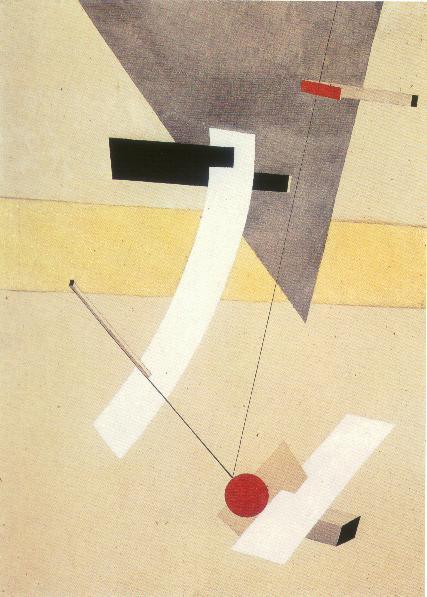
 

Jayjay Zifanwe (sl name),  has been very kind by giving us an interview about UWA and its project in SL. We have spoken about this proyect in other posts.

 Silene Christen: so let’s start. May I as you where are you from?
Jayjay Zifanwe: Perth, Australia
Silene Christen: you are leading a major proyect in Second Life. How did it started?
 Jayjay Zifanwe: started in 2007, when I met Dr Chris Thorne, who is a Research Associate at the University of Western Australia. He wanted to create a virtual world, I wanted to create UWA i 3d form so we had our own little virtual world, called the UWA Virtual Universe. Then we won the Google Earth Build Your Campus in 3D competition and then after that in 2009, saw an opportunity to get the UWA presence up in Second Life. So its a personal dream for the both of us
Silene Christen: But you are the “face” of UWA at SL…
Jayjay Zifanwe: well, yes, I guess thats how things have developed 
Silene Christen: :) And exactly what is this proyect? what are its goals?
 Jayjay Zifanwe: well, the first goal was initially just to have the RL campus in 3d. That was the only plan, and i thought maybe after a few years if we build a good place,  maybe we have rl teaching of university degrees in sl… But through ’serendipity’
Jayjay Zifanwe: the teaching started quickly, the research started and the art challenge started very suddenly, and so now our goals changed to be comprehensive in sl.  To have architecture, arts, research and teaching
Silene Christen: Other question… UWA has a cost…. How are you financing the proyect?
Jayjay Zifanwe: well,  we had to raise funds from 8 different places, some from the university some from outside, some from alumni who were interested in seeing UWA in 3D
Silene Christen: In what way is related the UWA SL with the UWA rl?
Jayjay Zifanwe: well RL reearch is happening, visualisation reearch and rl teaching for the Business degree happens through sl,  and also with the building design competition we will try to use the winning building as a baseline for the rl building we will make.
Silene Christen: And exactly what are the lines of research in rl? How SL is used to RL?
Jayjay Zifanwe: well for visualisation research people need to view the molecules, and DNA structures, and need to map out mathematical formula before they will send data by email and then use some programme to make the data into 3d, and takes time for people to view and comment and feedback. Here they can use the date to make the models in sl and the researchers can see the work together and comment,  and make their evaluations in real time
Silene Christen: So sl is a 3d viwer for studies?
Jayjay Zifanwe: in a way, yes.
Silene Christen: What could be contributed from SL to RL architecture?(if there is any contribution)
Jayjay Zifanwe: the basic design of an rl build its hard for non architects to visualise somethig with architectural plans. Here they can see the final work and easily ask for changes etc
Silene Christen: You didn’t come from art field, how have been your meeting with the art in sl?
Jayjay Zifanwe: well its new to me but started because the cultural director for UWA, Professor Ted Snell was interested in sl and asked me what I can do in sl which is linked to art, so we came up with the art competition
Silene Christen: Well, i think with this interview we know  a little more about UWA, and about you:) May be a final topic
Jayjay Zifanwe: cool
Silene Christen: You receive a lot of works, you see art and work from a lot of countries..
Jayjay Zifanwe: yes very happy and amazing to see
Silene Christen: do you consider is different depending on the nation or continent the art in sl?
Jayjay Zifanwe: not realy but to me its imortant as we can shw that sl is creating international connections
Silene Christen: how many months is this contest running?
Jayjay Zifanwe: 1 year
Silene Christen: do you consider art develops in time in SL? Or is there art movements?, fashions?
Jayjay Zifanwe: well people develop their skill over time and get better and better
Silene Christen: Well, now i think we do finish!
Silene Christen: thank’s a lot for your time
Jayjay Zifanwe: anytime silene
Silene Christen: You are making a great labour at SL, and I wish you the best for the whole proyect
Jayjay Zifanwe: much thanks

The link to UWA:  Blog for the University of Western Australia campus on Second Life

http://uwainsl.blogspot.com/

Archivado bajo:Exposiciones, Galleries, Gallery owners, Proyectos

Otro concurso /other contest

Este es poesia y obra de arte.

OS is holding a poetry and art contest for the best original poem and artwork that speaks to the topic of “life”.   Entries can be posted on the bulletin board in the Survivors of Suicide build.  The Poetry and Artwork will be judge by a jury.  Entrance to the contest will start on Jan. 25, 2010- Feb. 7, 2010 1pm sl time.  Judging will occur at 2pm sl time on Feb. 7th, 2010.  Prizes are $2000L for best art work and $2000L for best poem. 

http://slurl.com/secondlife/Haetae/202/111/113

Archivado bajo:Proyectos, actividades

Todos con Haití /Everybody with Haití

Calamaro Planet y Life Art se unen al sentimiento común de solidaridad ante la catástrofe acaecida en Haití, programando una semana de actividades cuyos fondos recaudados serán destinados a diversas ONGs.
 
Artistas, diseñadores, músicos, poetas… El nexo común será la solidaridad con este pueblo devastado. Desde aquí hacemos una llamada a todos nuestros amigos para que participen en la manera que puedan durante la semana de actividades y eventos. Cualquier ayuda, hasta la más pequeña será bien recibida.
 
El miércoles 27 de Enero presentaremos la semana solidaria con Haití, con un concierto especial del pianista Abso Zlatkis.
 
Esperamos vuestra colaboración

http://slurl.com/secondlife/Fratte%20Rosa/158/97/22

Calamaro Planet and Life Art join the common feeling of solidarity with the disaster which occurred in Haiti, programming a week of activities whose proceeds will go to various ONGs.
 
Artists, designers, musicians, poets … The common thread is the solidarity with the devastated people. From here we make a call to all our friends to join in so they can during the week of activities and events. Any help, even the smallest would be welcome.
 
On Wednesday, 27 January experienced a week of solidarity with Haiti, with a special concert by pianist Zlatkis Abso.
 
We hope your collaboration

http://slurl.com/secondlife/Fratte%20Rosa/158/97/22

Archivado bajo:Exposiciones, Galleries, actividades

MÁS CONCURSOS / MORE CONTESTS ENERO 2010/JANUARY 2010

EL PRIMERO

The Laird of Hinterland is proud to invite you to submit work for  the second Hinterland Estates Arts Prize, HEART 2010, Heart of the North.

The HEART contest 2010 inaugurates the new Time and Talents settlement on the Hinterland Orkney Sim. Our vision is that the Settlement will be a community of artists who can exhibit and sell their  work, and embraces the highest level of creative achievement in SL.

The first prize  is  L$25,000, the HEART 2010 gold medal and the right to advertise their work as the winner of HEART 2010. The other finalists will be awarded medals and the right to advertise their work as a finalist of the HEART 2010 Prize.

The winner will have the right to use  a free gallery in the Time and Talents Settlement for 6 months and the runners up will have first option on the others. Everyone who rents in the Settlement for a minimum of six months will be offered a show in the KAC

The conditions of entry are:

1. The aim of the competition is to promote and encourage Second Life as a medium for the arts.

2. The competition is open to all Second Life residents except those employed by Hinterland Estates and their partners.

3.  The overarching theme of ours sims  are the landscape, community, mythology and history of The Northern Isles of Scotland.   Entries are welcomed that combines these aspects of our work.

4. Entries may be any of the visual arts that may be represented in Second Life that conform to the theme and motif.  Digital photos of paintings and drawings, digitally produced paintings and drawings, photographs, sculpture, immersive art, installations or any other visual representations of the theme and motif.

5. Artists must ensure that they have the right to use all of the material used in their creations.  The creation itself must be original creation of the artist.

6. The competition is open until 14th March
Entries to be sent to Laird Hinterland before midnight SLT on the closing date.

7. All entries will be exhibited in the Kirkness Art Centre during April 2010.

8. The judging committee will consist of four members selected by Hinterland Estates and who will vote independently.  In the case of a tied vote the deciding vote will be cast by the curator of the Kirkness Art Centre.  The judges decision will be final and no correspondence entered into.

9.  The winner and all finalists are required to donate a copy of their entry to Hinterland Estates for future exhibitions.  (Hinterland Estates will use the work only for display purposes.)

10. All artists who enter will be allowed to sell their entries in the exhibition without commission to the gallery.

some websites about the RL islands

http://www.orkneyjar.com/
http://www.visitorkney.com/
http://www.visitshetland.com/
about the rl gallery in Orkney that has been an inspiration to us
http://www.pierartscentre.com/

[12:06]  Edvard Gylling: Hello Silene! Your questions about HEART 2010 Art prize were forwarded to me. There can be several entries from one artist, we let the artist decide the number. If the works have a lot of prims – over 100 – it would be good to ask first as the exhibition may set limits. As we own several sims, prims are not a primary concern.

SEGUNDO

Harmony Cafe
Coffee Art Competition

The management of Harmony Cafe invites all artists to submit their entries for our “coffee art” competition. Harmony Cafe is a venue celebrating art, music and community. Featuring live music and DJ events along with other art events in the community of Avalon. Founded in 2007, the cafe closed in early 2009 and reopened late last year in Avalon Town

Since we re-opened our doors in Avalon Town we have wanted to display our own coffee “brands” featuring the art of Second Life residents. The top 3 winners, chosen by public vote, will have their art incorporated into a coffee package design for the virtual cafe and a linden prize.

The rules:
-The original work may be created in any medium, however the submission should be a one-dimensional prim or texture with modify rights.
-Artwork should be the original art of the person submitting it, and should obey all copyright and intellectual property right laws.
-The theme is coffee! Coffee cups, beans, drinks… have fun with it!
-Entry deadline is February 1st, an opening event will be held that week to launch the voting.
-Entries will be open to public voting for two weeks with another party at the end to make the final votes and announce winners.
-Harmony Cafe staff/management are not eligible to enter
-Please submit entries to Tricia Aferdita

Prizes:
1st 1000L
2nd 750L
3rd 250L
Designs will remain on display at Harmony Cafe and be featured on our virtual coffee packaging.

Management reserves right to decline entries deemed inappropriate.
Harmony Cafe Managment consists of co-owners Ethan Westland and Tricia Aferdita

TERCERO

Welcome to create a ”photo haiku” story based on a pose from ”Poses from prose and poetry”. Now what is a haiku story? It is an expression I have borrowed and adapted from the danish storyteller and arcitect Hans Laurens. The idea of haiku stories is of course inspired by the japanese strict poetry form.  Pratically it means that the story is very short. The story is build like this:
1.    part – an impulse – very often the senses is active, one sees, smells or hear something. So the first part of the story is quite descriptive.
2.    Part – here the move – the action comes in. The impulse leads to an action.
3.    Part – the ending of the story. But it can not be just any ending – the ending must surprise and hopefully throw a new light on the previos parts.

See one example here: http://www.flickr.com/photos/narsisstic/4284754470/

So in the contest you are supposed to take a photo with a pose from ”Poses for prose and poetry (vendor PPP002  Female poses standing)” (to get here: http://slurl.com/secondlife/The%20Companion/140/173/2001 ) and add a text to the photo which creates a ”haiku story”.  Of course the aim of this contest (1st round of 10) is to focus on the poses from ”Poses for prose and poetry”, but it is also a part of my research to find out what trigger stories within second life.

The winning pictures/photostories will be showed in the store and a photobook of poses and stories.
Welcome to use your wonderful imagination.

Rules:
1.    The photos must be taken in Second life.

2.    The photo must use a pose from ”Poses for prose and poetry Vendor  PPP002 Female poses standing (You will see it quite easily when you land, and despite it says female poses – of course males are highly welcomed to participate.) You can photoshop, using textures and brushes as you wish.

3.    Paste the photos into the discussion named ”Pictures for Contest 1” in the group ”Poses for prose and poetry” http://www.flickr.com/groups/poses_for_prose_and_poetry/ on flickr.  Tag the picture with ”Poses for prose and poetry” and remember to to add the title of the pose used.

4.    Deadline of the contest is  31st of january midnight SLT.

5.    Max 3 entries per person.

6.    The chosen photos must be send fullperm to Frigg Ragu inworld

Prizes:
1.    Price $ 1500 L and a box of 20 poses for either female or male.
2.    Prise $ 1000 L and a box of 20 poses for either female or male
3.    Prise $ 750 and a box of 20 poses for either female or male

Good luck from Frigg Ragu

CUARTO

Art & Art :   Photo Competition  —- This will be a judged contest.
————————————–

Maryva Mayo make from 23 Janury to 13 February a large photo competition.
The Winners,  on Sunday, February 24, 2010.

The theme, of the competition is:
” If you could choice .. where you would like to live .. in SL? “

All SL residents are invited to participate for free in this competition, which will culminate in an photo works exhibition on Bangu, at the Maryva Mayo Art Gallery.
From 1st February, the photos will be exhibited to the public in the gallery until 24 February.
———–
The rules:
- Each participant can produce only one shot.
- Make a photo full-perm and send it, to Maryva Mayo,  in a notecard. ( After all, an example of notecard)
- The name of the note, should be :  Art & Art -   Photo Competition – Avatar name
- Sends also a landmark or slurl,  where you have made this photo.
- Please send us a photo with the maximum size of 1024×1024.
- Please do NOT edit images.
- Not export, and import, the photo, or retouch with programs.
- All photographs must be received by February 13 midnight SLT. After this date, the images will not be accepted.
- If you do not recive,  a Im of confirmation, after sending the note,  this means that the photo have not been received.

Will be a panel, with the names of the judges, and with the number  of judgements, determining the first,

Archivado bajo:actividades

MARTAZUL ZEMLJA EN EXPOSICIONES INDIVIDUALES/ MARTAZUL’S INDIVIDUAL EXHIBITIONS

Hemos visto “crecer” a Martzul desde los inicios de Life Art. Comenzó sus andanzas como artista aportando unos bellos trabajos a “Zodiac”. Ahora, casi un año después, la tenemos en dos exposiciones solitarias: Por un lado expone en Fratte Gallery, exposición que se inaugurará dentro de dos semanas, y el proximo domingo 24 de enero, expone en las galerias de Aleixander Biedermann. Os aconsejamos una visita a ambas.

Archivado bajo:Artistas, Exposiciones

Concursos y otros eventos/contest and other events. Enero 2010, January 2010

ART EVENT/EVENTO ARTISTICO

Piden artistas para un evento en el sim de Caerleon. En esta ocasión obras realizadas sin usar texturas, solo colores y caracteres del prim. En principio no dice que sea concurso, aunque algunas veces en este sim buscan un ganador de las exhibiciones que realizan.

Call for Artists!

Erato of Caerleon is having another Imagine Create Challenge.  This time the challenge is to create a work of art that uses no texture. 

Here are the rules:

1. You may either use the Default texture or Blank texture on your work.  You may use color and shine. 

2.  The maximum size of your piece is 10×10x10 m.

3.  You may use a maximum of 40 prims.

4.  Only low lag scripts may be used (as determined by our script police)

5.  All work must be submitted to Sabrinaa Nightfire by midnight on Friday, February 12, 2010.

The management reserves the right to not show any piece that we determine is inappropriate for this show.

This will be a judged show with a panel of judges determining the first, second and third place entries. 

The show will open at 1pm slt on Sunday, February 21, 2010.
Questions?  Comments?  Concerns?  Please contact me,  Sabrinaa Nightfire.

We look forward to a great show.  Please feel free to pass this notecard along to your friends too. 

CONCURSO FOTOGRAFIA/PHOTOGRAPHY CONTEST

Caithlin Carter Designs

==================
CCD Reflective Diamonds Flickr Photo Contest
==================

For the next 3 months CCD is going to give away *** 50.000 *** Linden Dollars!!!

Do you have what it takes to be a top CCD photographic model and competition winner?  Show us your most glamorous look wearing jewelry and accessories from Caithlin Carter Designs and you would have the opportunity to win the first prize of 5.000L$ in cash and a gift ard of 2.500 L$ (every month!!), plus be a runner up for the Grand prize of 10.000L$ (in cash) plus a CCD giftcard worth 5.000L$.

The judging panel will be looking for elegance, beauty and a real flair for fashion as well as that extra ’something’ which makes a great photograph.  Use your imagination and skills to take a prize-winning shot and you could win one of the 3 great prizes on a montly basis and the opportunity to win the Grand Prize as well as seeing your photograph on the CCD fashion blog, on the CCD flickr page, in the mainstore and possibly in future CCD campaigns.

==================
Contests Every Month: November (Nov. 1st to Nov. 21th), December (Dec. 1st to Dec. 21th), January (Jan. 1st to Jan. 21th)

You must be wearing CCD products  (reflective diamond jewelry or rings or nails + rings).
(YOU MAY NOT REPEAT THE SAME PRODUCTS EACH MONTH)

Winner will be announced at the end of each month.

==================

First Prize:          Cash prize of 5.000L$ and a CCD Giftcard worth 2.500L$. 
Winning photograph displayed in-store, on the CCD blog and on the CCD flickr page.

Second Prize:    CCD Giftcard worth 2.500L$.

Third Prize:         CCD Giftcard worth 1.000L$.

==================
Grand Prize
==================

Grand Prize:         Cash prize of 10.000L$  and a CCD Giftcard worth 5.500 L$

The grandprize will be given to the one that submitted the best picture of all months (november, december and january).

==================
Rules of the Competition
==================

1.           You must be wearing CCD  (reflective diamond jewelry or rings or nails + rings). Go to website to see the jewelry if you please:                                                                               http://caithlincarter.wordpress.com/product-lines/4-reflective-jewelry/
http://caithlincarter.wordpress.com/product-lines/rings-female/
http://caithlincarter.wordpress.com/product-lines/nails-ring/
2.           You may submit a maximum of 3 photographs (each with different CCD products).
3.           No logos, signs or names are allowed on the photographs.
4.           No nudity please (to comply with FlickR posting rules in the CCD Group Pool).
5.           The minimum size of the photographes is 512 x 512  pixels.
6.           You must have CCD in your profile picks.
7.           CCD reserves the right to disqualify and remove non-complying  images from our flickr pool if the rules mentioned are not  respected;

==================
How to Participate
==================

1.          Upload your photograph (s) to FlickR.
2.          Add your entry to the CCD Photo Contest Pool here -  http://www.flickr.com/groups/caithlincarter/
3.          Make sure that the FlickR photo title includes, CCD Contest and name of product  (important) and you may write any other notes in the  ‘description’ box.
4.          Check you are a member of the CCD Update Group or join  in-store.

==================
Questions
==================

If you have any questions, please contact Kat Svenska via note card please.
 OTHER PHOTOGRAPH CONTEST/ OTRO CONCURSO FOTOGRÁFICO

The Companion – Bloodlines – Royal portrait contest

In the sim The Companion (build on a norwegian folktale) there is a castle. In this castle – according to the story – a bewitched princess and her poor father lives. Through the story we never get to know much about the king and her daughter – but for sure they must come from somewhere. And there is here we need your help.

The walls in the castle are empty, waiting to be filled with depicted stories about the King and Daughters looong background. We need royal portraits which shows where they come from. It can be cousins, uncles, aunts, grandfaters, great great grandmothers. It can be elves, faerys, trolls,  and even vampyres (if they like the taste of blue blood).  It can be single or couple – close up or full size – in the picture pieces
Use your wonderful imagination.

Rules:
1.    The photos must be taken in Second life. It is an advantage to know the sim /the castle/and the story, but not a must. Visit the sim: http://slurl.com/secondlife/The%20Companion/240/229/24

2.    The photo must be in ”the royal photo theme”. You can google it and see ”the style”. But interpret it as you want. You can photoshop, using textures and brushes as you wish.
3.    For the photos you must use one of the poses made for this theme. A box of poses for the only prise of $ 10 L is made and you can get it here:  slurl.com/secondlife/The%20Companion/122/168/211 .

4. Paste the photos into the discussion named ”Pictures for Bloodlines” in the group ”The Companion” – www.flickr.com/groups/the_companion/ – on flickr. Or send them to Frigg Ragu inworld, with your name and name of the contest.

5. If you feel like, you can add a story to your portrait telling: the name of the character/s, their relation to the King and his daughter, how she/he/they were born and how they destiny were.
6. Deadline of the contest is 10th of january midnight SLT.

7. Max 3 entries per person.

8. There is not ”one winner” in this contest. CapCat Ragu will be the curator and help with choosing the pictures and place them on the wall.

9. The chosen photos must be send fullperm to Frigg Ragu inworld

Prizes:
The chosen photos will receive a prize on $ 2000 L and a box of 20 poses for either female or male.

Good luck from Frigg Ragu

OTHER PHOTOGRAPHY-DIGITAL ART CONTEST/OTRO CONCURSO DE FOTOGRAFÍA

http://www.koinup.com/group/cyber-photo-contest/
Enjoy the Cyber Photo Contest!  Imagine the future with a sci-fi/cyber lens, and submit your pics of Koinup. Read in the discussion boards all the rules and guidelines    10.000L$ for the 1st winner!

With the help of BlackMamba and BladeRunnerSPN1977 Sands, owners of the BladeRunners sims in Second Life, we created a list of some sci-fi and cyberpunk sims!

Both in Second Life and in other virtual worlds.

IMVU
Heroes and Villains
Fort Orion (Halo Roleplay)

SECOND LIFE
BladeRunner City
Insilico
SIC49
You can also have a look at the Koinup Places Directory for suggestions on scifi places

(if you know other scifi sims, don’t exhitate to suggest them in this thread)
The contest is about creating/shooting images conveing cyber themes. Need some example of cyber themes? All the Sci-fi, Aliens, Dystopian, “Futuristic Blade Runner like” and postapocalyptic images are appropriate for the category.
The panel of judges will pick 6 winning entries and the 1st absolute winner!

The 6 winning photos, plus the 1st absolute winner, will be showcased in the BladeRunner Sim, where BlackMamba and BladeRunnerSPN1977 Sands, that are kindly sponsoring the contest, will give us the chance to setup an exhibition with the winning artwork of the contests!

The 1st absolute winner will also get 10.000L$ kindly provided by BlackMamba and BladeRunnerSPN1977 Sands

Two categories are eligible for the win: avatars and sceneries

Submissions

You can submit your entries from today, 19th of december to 10th of january. Winners will be announced on 13th of january.

Any participant can submit upto 5 entries

The winning works will be picked a by a panel of judges made up by the New World Notes journalist Hamlet Au , the Koinup Blog Editor Poid Mahovlich and the author of the Insilico Second Life Sim Skills Hak

Need some further info? Why not having a look at Wikipedia for Cyberpunk, Dystopia, Post Apocalyptic
Prizes
The 1st absolute winner will get a 10.000L$ prize (sponsored by the owners of the BladeRunner Sims)

The 6winning works (plus the absolute winner) will be showcased in a collective exhibition hosted in the Second Life sim BladeRunner City
The contest has been possible thanks to the Second Life developers and Sim owners Blackmamba and BladeRunnerSPN1977 Sands

Blackmamba and BladeRunnerSPN1977 Sands are the owners of the Second Life BladeRunner City

CONCURSO DE MACHIMINIA/MACHIMINIA CONTEST

WHAT:   MachinimUWA : The UWA Machinima Challenge

WHEN:   Submissions are open 18th December 2009 – 31st January 2010
All entries will be displayed on the University of Western Australia (UWA) Second Life Blog.  http://uwainsl.blogspot.com

Winners will be announced during a ceremony in February

WHERE: In front of Winthrop Tower (Main SIM of the UWA presence) & starting point of all Machinima
􀀄
 
THEME: Architecture, Teaching, Research & Arts on the UWA sims
 
THE CHALLENGE
Create a Machinima between 2 and 5 minutes in length that captures the 4 main elements thats make up the heart of the University of Western Australia SIMS. These elements are the RL architecture, the teaching, the research and the arts. The purpose would be to show that UWA’s presence in SL is comprehensive and covering all these areas, creating true bridges between SL & RL for prospective students, current students, staff, alumni & the community (this is the snapshot – more details below). Note that there are 3 SIMS making up the UWA presence, namely UWA, Uni of WA & WASP Land, and this challenge covers all 3.

Method of Entry:
* Load the Machinima anywhere, and provide the link to both Jayjay Zifanwe & White Lebed (co-hosts of MachinimUWA)

Closing Date:
* Midnight 31st January 2010 (winners annouced in Mid-Feb 2010)

OVERVIEW OF UWA (RL) – http://www.uwa.edu.au/
The University of Western Australia (UWA) is a leading Australian research university and has an international reputation for excellence, innovation and enterprise. A member of the Australian ‘Group of Eight’ research universities, it is also among Australia’s leading research universities. Sitting on the banks of the Swan River, the UWA Crawley campus is the oldest in Western Australia and among the most picturesque in the nation with its grand sandstone and terracotta buildings sitting among elegant heritage-listed gardens.

UWA Logo Texture: 􀀅

MORE on the CHALLENGE
As follows will link some of the key areas that could be looked at in the preparation of the Machinima.  The Machinima should start with a view of the Winthrop Clock Tower & the Reflecting Pond which is an icon of the state of Western Australia. Graduation ceremonies are carried out here, and it is named after UWA’s founder, Sir John Winthrop Hackett.

Start Point of Machinima : Winthrop Tower & Reflecting Pond (this is both an RL & SL location)
􀀇

The above just illustrates that the location exists in both world. You can shoot the machinima entirely from the SL material we have on the SIMS, or you can choose to use available RL elements or 2D web elements etc. The rest of the following areas can be used (or not) as you see fit, and in any order you choose.

UWA Sunken Gardens (this is both an RL & SL location)
This is a place of great significance to the staff and alumni of the University. Many many people get married in this location in RL every week, and it is a place of nostalgia, and quite a few people who got married in RL at the sunken gardens, have been here looking at the SL version of the place they exchanged vows.
􀀌

UWA Sky Theatre (this is an SL only location)
This is a theatre we have created for use by Professor Wade Halvorson of the School of Business and Professor Mark Pegrum of the Graduate School of Education. Profesor Halvorson ran an entire 2nd year Bachelor of Commerce Unit using this as his primary location. It was run for the first time ever this semeter, in a unit called Electronic Communications Strategy.
􀀊

UWA Square Kilometer Array – SKA (this is soon to be created in RL)
Now, these are replicas of telescopes that will be built in the Australian Outback, at a place called Boolardy station. 40 of them will be built for a smaller project caller ASKAP, or the Australian Square Kilometyer Array Pathfinder. Currently the final telescope
design is presented in SL and the unique characteristic of these dishes is illustrated, namely the three rotational axes where most telescope dishes only have 2. Australia is in a battle with South Africa to secure the rights to the Main SKA, which will comprise 4000 radio telescope dishes. This will be the biggest land based science project in the hsitory of mankind.
􀀉

Visualisation Research @ The West Australian Supercomputer Programme (WASP), UWA
Visualisation Research is being run by Tranguloid Trefoil (RL – Paul Bourke). A critical component of this is the automatic representation of data in SL, rather than manually modelling. There are a number of examples of this such as the volume rendering of a human cortex. Among other things, Paul has an interest in fractals and how they may be used to describe and model real world objects. There are a number of fractal objects on the WASP land, one is the famous Menger sponge. For more information see http://local.wasp.uwa.edu.au/~pbourke/papers/cg2008/
􀀈

UWA 3D Art & Design Challenge
UWA runs an extremely successful 3D art & architecture challenge, with some of the greatest artists and architects of SL displaying their works for the challenge. This has been one of the most important components of UWA’s SL offering, and has been listed as an SL Destination for Arts.
􀀆

THE PEACOCKS, THE DUCKS, THE GALAHS, THE RAINBOW LORIKEETS, THE PARROTS ad other fauna are a significant part of the RL campus, and these are represented on the SL campus. These are found mainly on the Uni of WA SIM

The Wonders on the Ground of the UWA SIM
Wonderful art by quadrapop Lane, Soror Nishi & Glyph Graves (seek out ‘Strangers also Dance’). This is here to give the UWA presence a mixture of the RL aspects of Second life, as evidenced by the recreation of the RL buildings as well as the truly out of this world aspects of SL, as evidenced by what is found here.
􀀋

OTHER AREAS OF SIGNIFICANCE
The Physics Building: http://slurl.com/secondlife/University%20of%20WA/70/27/24
Hackett Hall: http://slurl.com/secondlife/University%20of%20WA/165/217/24
The building housing Astronomy, HR & Facilities Management: http://slurl.com/secondlife/WASP%20Land/141/204/24

PRIZES
A first and a 2nd Prize will be awarded for this. These prizes come curtesy of the University of Western Australia, VR Shed Pty Ltd (Dr Chris Thorne) and other benefactors.

1st Prize – $35,000L + a UWA T-Shirt
2nd Prize – $15,000L + a UWA T-Shirt

JUDGING PANEL
1.Professor Alan Robson (RL) – Vice-Chancellor, The University of Western Australia
2. Professor Ted Snell (RL) – Director, Cultural Precinct, The University of Western Australia
3. A/Professor Wade Halvorson (RL) – Lecturing in Marketing, Business and Electronic Commerce, The University of Western Australia
4. Colin Campbell Fraser (RL) – Principal Adviser (External Relations and Advocacy),
Vice-Chancellery, The University of Western Australia
5. Kelly Smith (RL) – Director, International Centre, The University of Western Australia
6. White Lebed (SL) – Lead of Burning Life Art Department, Curator
7. Jayjay Zifanwe (SL) – Owner of The University of Western Australia (SL), Creator & co-host of the UWA 3D Art & Design Challenge

CONCURSO ARTE Y CONCURSO CONSTRUCCIÓN/ART AND BUILDING CONTESTS

There are 2 competitions running simultaneously, the IMAGINE challenge and the FLAGSHIP challenge. There are monthly prizes available seperately for both, and the top 2 each month will go into the pool for the Grand Prize (which will have an expanded judging panel). You can enter as many times as you like or for any month that you choose.  For the Imagine challenge there will also be a monthly prize for best non-scripted entry. Current total prize pool is L$357,000

There is a people’s choice prize every month for the imagine challenge as well (details below)

FOR NOVEMBER ONLY  at the moment,  an Artist Book Prize is being awarded.  Juanita Deharo who owns Second Edition group is offering a L$2000 prize for an ‘artist book’ .  “An artists’ book is an artwork in a book format, or an artwork which has its origin in the form or concept of the book.” You can interpret this in any way you want.  This prize may be ongoing. All entries to the IMAGINE CHALLENGE that have conceptual roots in a book will be considered for the Artist Book Prize.  (Judging panel is listed at the bottom)

THE IMAGINE CHALLENGE
In describing virtual worlds, it is often said, ‘we are truly limited by only the imagination’, and and that is the theme of this art challenge. The limits are the imagination. Create something that will take our breath away. Any form, any shape, any influence, any medium. Of this world, or the next! (size 100 prim)

Prizes offered to winners & runners-up every month till the 31st of August 2010. Grand Prize to be awarded at the end.  Monthly winners & runners up to be displayed in the Second Life installation of the Lawrence Wilson Art Gallery, on the grounds of the University of Western Australia (UWA – this island). All winners COULD also be part of a real life (RL)  exhibition of digital interactive art at the University of Western Australia in 2010.

A People’s Choice Award will also be given every month. Voting panel will go up each month for the days between the closing of the month’s entries and the announcement of the winners. http://slurl.com/secondlife/UWA/64/132/250 is where you register your vote by touching the image of the work you like best – one vote per person.

IMAGINE PRIZES
Monthly Prize: L$5,000 + RL Custom Tshirt (1st) L$1,250 + RL Custom TShirt (Best non-Scripted entry) , L$1,250 (2nd), L$500 People’s Choice Award
Grand Prize: L$75,000 (1st) L$14,000 (2nd), L$14,000 (Best non-Scripted entry)

* RL custom T-Shirts will be made for the winners based on their favourite texture. This will be custom made, and posted to them, wherever they are in the world! These special prizes come curtesy of Shedworx.com and www.etshirts.com

THE FLAGSHIP CHALLENGE: Design the UWA Cultural Precinct Flagship Building
Design a building that captures the essence of creative engagement, which could possibly be built. The University of Western Australia plans to build such a building in real life. It is to be called FUTURElab. 999 prim maximum for FLAGSHIP challenge for the building & up to 200 prims to fit it our with artworks (if so desired)

FUTURElab will provide insights into the world we are shaping by putting a microscope on the research undertaken across the University. It will provide a showcase for the work of SymbioticA (http://www.symbiotica.uwa.edu.au/ ); for the architects and designers from UWA’s Faculty of Architecture, Landscape and Visual Arts who are exploring new possibilities for themselves and their communities; and for those working with new and emerging technologies to shape our future. FUTURElab will incorporate a black box performance/screening environment, a science/art gallery, and teaching and presentation space for a range of activities across campus. It will also provide a hub for the Creative Industries Innovation Centre (CIIC), of which UWA is a partner.

Prizes offered to winners & runners-up every month till the 31st of August 2010. Grand Prize to be awarded at the end. The winning entry, will be given a permanent location on the grounds of the SL University of Western Australia estate. The winning entry may be considered as a possible baseline design for one of the actual buildings that will be built at the RL location of the expanding Cultural Precinct of the University of Western Australia. The creator of the building will be contacted to consult on how to turn the Second Life design, into reality.

FLAGSHIP PRIZES
 Monthly Prize: L$5,000 (1st) L$1,250 (2nd)
Grand Prize: L$75,000 (1st) L$14,000 (2nd)

SPECIAL TRIBUTE TO ARTISTS
A special artists participation pool (donation) has been established thanks to the generosity of Sasun Steinbeck, Phillip Vought, Tranguloid Trefoil, Galea Yates and Lowell Cremorne who have agreed to join me in contributing L$1000 monthly toward the pool.  This will be reset at the start of every month. All artists who submit a genuine entry (not a block of plywood) and who do not receive one of the main prizes, will receive a share of what has been contributed to the donation jar for that month. Nothing is being kept for the land tier, 100% will go back to artists. Please donate to the pool if you are able:
􀀋
http://slurl.com/secondlife/UWA/65/130/250

Contest Entry Rules:
1) Any artwork/ object can be submitted. They can be inanimate or have animation. They may contain scripts if you so choose – maximum script time of 0.5ms, and anything that runs at over 0.05ms is to have an on/off on touch with time out of 10 minutes max (if you are unsure of your piece’s script load please contact one of the Challenge hosts to have it evaluated). 100 prim maximum for IMAGINE challenge. 999 prim maximum for FLAGSHIP challenge for the building & up to 200 prims to fit it out with artworks (if so desired)
2) Note that by submitting an entry, you are giving permission to the University of Western Australia to place the objects anywhere on UWA owned land, and to have information and images of the entries placed on UWA websites and on websites promoting the UWA SIMS or events held on the UWA SIMS. If submitting an entry for the FLAGSHIP challenge, you are giving permission to UWA to use your design as the basis of the design for an actual building, when/if that eventuates.
3) Contest starts 21st August 2009, ends 31st August 2010.
4) Monthly prizes will be awarded (21st Aug 09 – 30th Sept 09 will be considered the first month. Calendar months to be adhered subsequent to this)
5) A valid entry, is any object dropped onto the contest entry billboard. Pick up item from inventory while holding down the CTRL key, and drop it onto the contest entry billboard prim (the prim should go red when your entry is in position to be dropped in)
6) Alternate method of entry is to drop the object into the inventory of Jayjay Zane, who is executive officer for the ‘UWA 3D ART AND DESIGN CHALLENGE’
7) All entrants should join the group ‘UWA 3D ART AND DESIGN CHALLENGE’
8) To join, copy and paste the following into local chat, then click  as appropriate to join the group: secondlife:///app/group/cad9c421-8b96-f9c1-fb40-dade48c43fe4/about

Judging Panel
1. Professor Ted Snell – Director, Cultural Precinct, The University of Western Australia (RL)
2. Frank Roberts – The University Architect, The University of Western Australi (RL)
3. John Barret-Lennard – Curatorial Director, Lawrence Wilson Art Gallery (RL)
4. Jayjay Zifanwe – Owner of The University of Western Australia (SL), Creator & co-host of the UWA 3D Art & Design Challenge (SL)
5. Raphaella Nightfire -  CEO SW&MB Fashion Productions, CEO Evane Model Agency
Snr Writer Best of SL Magazine, Owner Sanctorum Gallery (SL)
6. Tranguloid Trefoil – Owner of WASP at the University of Western Australia (SL)

Expanded Judging Panel for Grand Prize will include:
1. Frolic Mills – BOSL & CO CEO
2. Sasun Steinbeck  -  artist, scripter, and maintainer of the Art Galleries of SL list at http://sasun.info/ArtGalleriesofSL.aspx
3. Wil Dreadlow, ICON Lifestyle Magazine CEO & Publisher
4. Lowell Cremorne, Owner of The Metaverse Journal

Judging Panel for Artists Book Prize
1. Juko Tempel – Australian living in Paris. Librarian, photographer, linguist, educator and collector of new media art. In SL since 2006.
2. Victor Vezina – Journalist, artist, writes weekly column on digital toys and virtual worlds  for Guardian newspaper, London.  Gallery owner, experimental artist, art collector in SL since 2006.
3. Juanita Deharo -  Art educator, professional artist specialising in artist books, small sculptures, printmaking.  Gallery owner and artist in Second Life since 2006.
4. Jayjay Zifanwe – Owner of The University of Western Australia (SL), Creator & co-host of the UWA 3D Art & Design Challenge

Official Hosts for the UWA 3D Art & Design Challenge are Jay Jay Zifanwe & quadrapop Lane

Archivado bajo:actividades

BREATHING IN / BREATHING OUT, performance en Fratte Gallery.

Dentro del trabajo de Vaneeesa Blaylock “VB Duets 2010″, se va a realizar una performance en Fratte Gallery llamada “BREATHING IN / BREATHING OUT”.

Descripción:

En un espacio determinado
nos arrodillamos
cara a cara
nuestra nariz bloqueada con tapones filtro

(Silene y Vaneeesa) comenzaremos tomando una gran inspiración de aire
entonces juntaremos nuestras bocas selladas
y entre nosotras circulará el aliento de ida y vuelta
hasta que uno de nosotros no puede continuar.

Esperamos vuestra asistencia!!  Saturday 9 January 2010, 3pm SLT, 24 horas Spain http://slurl.com/secondlife/Fratte%20Rosa/169/119/22

DUET B
Silene Christen / Vaneeesa Blaylock
BREATHING IN / BREATHING OUT

Saturday 9 January 2010, 3pm SLT
Fratte Gallery

http://slurl.com/secondlife/Fratte%20Rosa/169/119/22
Gallery Contact: Silene Christen, artist represented by gallery

In a given space
we kneel
face to face
our noses blocked with filtertips
Silene will begin by taking one large breath of air
then we will press our mouths together
and pass that breath back and forth
until one of us cannot continue.

El resto del programa de Duet 2010, se encuentra en los posters informativos de la galería. You can get rest of Duet 2010 at the Notecard giver at the gallery.

Archivado bajo:Artistas, Proyectos, actividades

UWA, The art and building in Second Life. La Universidad de australia Occidental y su apuesta por Second Life

La UWA, como se la conoce en Second Life, ha llegado a ser un exponente del arte y la cosntrucción en Second Life. Apoya diferentes premios artísticos que logran movilizar a los artistas de SL a crear y aprender de los demás. Sus exposiciones mensuales mientras se seleccionan los premiados merece la pena visitarlas.

En la foto algunas de las entradas a los premios de Diciembre 2009.

The UWA, as it is known in Second Life, has become an exponent of the art and construction in Second Life. Supports various art awards that can mobilize the artists of SL to create and learn from others. Their monthly exhibitions while selecting the winners worth visiting.

In the picture some of the entries to the awards in December 2009.

A nivel de arquitectura, (building como se conoce en SL), también impulsa la creatividad y la innovación. ¡Quién sabe si no estaremos viendo algunos de los edificios de la arquitectura contemporánea de RL!.

In terms of architecture (building as is known in SL), also fosters creativity and innovation. Who knows if we will see some of the buildings of contemporary architecture of RL!.

Como las obras presentadas son muchas y variadas, remito a la web de la UWA para ver más imágenes y el nombre de los artistas participantes. http://uwainsl.blogspot.com/

En la imagen inferior una de las obras  presentadas en el desafío de Noviembre que ganó el premio a Non-scripted.

“Jackob’s stairs” by Silene Christen.

As the works presented are many and varied, refer to the UWA website to see more pictures and the names of participating artists. http://uwainsl.blogspot.com/

In the bottom image of the works presented in the November challenge that won the Non-scripted

“Jackob’s stairs” by Silene Christen.

Un ejemplo de los edificios presentados a este desafío. El de las imágenes en concreto ganó la edición de Noviembre 2009. Un diseño a base de cubos que delimitan areas bien diferenciadas a la vez que presentan una unidad estructural. La pesadez del diseño de la edificación y el uso de texturas como cemento, metal y cristal oscuro predominantemente, queda contrastada por el efecto de elevación sobre el suelo y la integración del elemento agua.

An example of the buildings presented a challenge. The images in particular won the November 2009 edition. A design based on cubes that define distinct areas while presenting a structural unit. The strength of the building design and use of textures such as cement, metal and glass predominantly dark, is contrasted by the effect of elevation on the ground and the integration of the water element

“Cube Gallery” By Silene Christen.

Mi apuesta para el desafío de diciembre consiste en todo lo contrario: abandonando la verticalidad constructiva, una distribución horizontal donde predomina la combinación cristal metal. Solo el domo elevado sobre el resto de la estructura, como un mirador al resto del universo, rompe esta horizontalidad. Un pequeño jardín de plantas colgantes y el interesante uso de la madera humanizan el metal y el cristal. El edificio se encuentra expuesto con tres exposiciones: “El fantasma de la ópera”, “The companion, un cuento norruego”, “Familia, un concepto”.

My bet for the December challenge is the opposite: leaving the vertical constructive, horizontal distribution dominated by metal glass combination. Only the dome high above the rest of the structure, as a viewpoint to the rest of the universe, this horizontal breaks. A small garden of hanging plants and the interesting use of wood humanize the metal and glass. The building is exposed with three exhibitions: “The Phantom of the Opera,” “The Companion, a story norruego”, “Family, a concept.”

Domes Gallery, by Silene Christen

Archivado bajo:Artistas, Exposiciones, Galleries, Proyectos

Resultados Concurso Dia de la Tolerancia. Tolerance Day contest awards

Primero de todo, agradecer a los numerosos artístas tanto su participación como la calidad de sus obras. Justo es que mencione a todos:

First of all, thank the many artists both participation and quality of their works. It is fair to mention them all:

alial Allen
Cristian Rexie 
victorn Oppewall
Sistagrlro Wei
Juliete3d Quinzet
FigBash Snook 
Martazul Zemlja
La Baroque
Nico Senizen
Daco Monday
Asmita Duranjaya
Loup Erin 
ROMERO Xaris
luciella Lutrova
Vaneeesa Blaylock
Laurel Leavitt
Zhora Maynard
emilio Charisma
Alon figaro
Mitch Zemenis
A1ex Allen
Fraz Undertone
Nova Dyszel
Aprendix Xaris
Yoyita Benoir

No podían ganar todos. Es una de estas ocasiones en las que habrías dado muchos más premios, pero había que decidir. Los premios han sido finalmente para:

Primer Premio, Trofeo y 5000 lds para Alon figaro.

Premio del público , trofeo y 1000 lds para Fraz Undertone.

Premio especial del jurado, trofeo y 1000 lds para Asamita Duranjaya.

Por cierto, mando aqui un link dodne se menciona el concurso. http://giridevi.blogspot.com/

They could not all win. It’s one of those times when you would have given many more awards, but had to be decided. The awards were eventually to:

First Prize Trophy and 5000 lds for Alon figaro.

Audience Award, a trophy and 1000 lds for Undertone Fraz.

Special Jury Award, a trophy and 1000 lds for Asamita Duranjaya.

By the way, here a link dodne command mentioned the contest. http://giridevi.blogspot.com/

Hagamos un recorrido por la exposición.  Let’s take a tour of the exhibition.

daco monday

Daco Monday’s Works. Unas obras de una calidad expecional. Some works of and expecional quality.

fig

FigBash Snook and his interesting photograph. El trabajo de FigBash, una fotografía muy interesante.

martazul

Martazul zemlja presentó tres obras que hablan de su madurez como artista SL. Pronto oiremos hablar más de ella. Martazul zemlja presented three works that speak of his maturity as an artist SL. Soon we will hear more of it.

nico

Nico Senizen presentó una interesantísima obra, dentro de la más pura tradición de la escultura RL. Nico Senizen presented a very interesting book, in the purest tradition of sculpture RL.

sis y julie

Sistagrlro Wei presentó una triada de un esquisito trabajo en el movimiento de las texturas y el color. Sistagrlro Wei presented a triad of exquisite work in the motion of textures and color.
Juliete3d Quinzet como siempre nos presentó una obra llena de sensibilidad con su estilo personalísimo. Siempre es un placer contar con ella es los eventos artísticos. Juliete3d Quinzet always presented as a work full of feeling with her personal style. Always a pleasure to have her in the artistic events.

piscina

ROMERO Xaris hizo un enorme esfuerzo por participar, ya que sus conocimientos de construcción en SL son aun limitados. Una obra conceptual que seguro en un futuro veremos perfectamente plasmada. ROMERO Xaris made a huge effort to participate, since their construction skills in SL are still limited. A conceptual work safe in the future we will see perfectly embodied.

ganadores

Two of the winners, Fraz Undertone with a powerful 2d work, and  Alon figaro a very conceptual artist that has already made and exhibition at Life Art Space. Dos de los ganadores, Fraz undertone con una obra 2d llena de fuerza, y Alon Figaro, un artista conceptual que acababa de exponer en Life Art Space.

aprendix

Aprendix Xaris lo pudimos ver por primera vez en Burning Life, en el duelo de artistas, demostrando estar en una fase muy buena de depurar su técnia. Posteriormente ha realizado exposiciones individuales. La obra de Tolerancia es una obra fresca, madura y muy interesante. Aprendix Xaris  we could see him for the first time in Burning Life, in the duel of artists, showing being in a stage of refining his technique. Subsequently he has had exhibitions alone. The work of Tolerance is a work fresh, ripe and very interesting.

asamita

Asamita Duranjaya presentó tres obras profundizando aspectos diferentes del tema de la tolerancia/intolerancia. Demostró muchísimo interés y ganas de perfeccionarse. Fué otra de las ganadoras del concurso. Asamita Duranjaya submitted three works to deepen different aspects of the theme of tolerance / intolerance. He showed much interest and desire to perfect. It was another winner.

laurel

Laurel Leavitt es una gran promotra del arte en SL. Fuimos honrados con su presentación de un trabajo a la exposición, en puro estilo conceptual. Una obra con movimiento que en su sencillez, logra enviar un mensaje directo y profundo. Laurel Leavitt is a great promotra of art in SL. We were honored with presentation of a work to the exhibition, style concept. A work with movement,and  in its simplicity it sends a direct and deep message.

al1x

A1ex Allen fué también un descubrimiento de burning life y el duelo de artistas. Sus trabajos son muy interesantes y creativos. Esperemos ver muchos más de este artista SL. A1ex Allen was also a discovery of burning life in the duel of artists. His works are very interesting and creative. We hope to see many more from this artist SL

emilio

emilio Charisma no solo es una excelente persona, si no un artista con ganas de mejorar dia a dia. Ultimamente disfrutamos de una exposición de fotos de RL, probablemente de las mejores vistas en SL. Sus incursiones en el 3d siempre son interesantes. emilio Charisma is not only an excellent person, if not an artist wanting to improve every day. We have enjoyed an exhibition of photos of RL, probably one of the best exhibited in SL. His forays into 3d are always interesting.

loop y asam

Loup Erin es una artista consagrada en SL. La obra presentada, jugando con la dualidad del negro y el blanco, es fresca y emotiva. En la foto junto a otra obra de Asamita. Loup Erin is a well-known artist in SL. The work presented, playing with the duality of black and white is fresh and touching. In the photo next to another piece of Asamita

micht

Mitch Zemenis presentó una obra trabajando las geometrías y su significado, muy buena. Es otro artista consagrado de SL al que esperamos ver prono en una expo personal en Fratte Gallery. Mitch Zemenis presented a work working geometries and its significance, very good. It is another senior artist of SL, we expect to see his works soon in a personal exhibition at  Fratte Gallery.

Nova

Nova Diszel presentó dos maravillosas obras que bien merecieron también ganar. Es un artista consagrado en SL y su técnica conceptual es depurada y directa.  Nova Diszel presented two wonderful works that well deserved win too. It is a recognized artist in SL and his technique is refined and conceptually straightforward.

victorn y luci

Otros dos grandes artistas de SL, victorn Oppewall y Luciella Lutrova. El primero presentó una pareja dinámica, y en su dinámica los conceptos se muestran con la complicidad del ojo observador. En su galería tiene unas interesantísimas instalaciones que recomiendo visitar. Luciella Lutrova no solo es una artista reconocida en SL, si no en RL. Esta obra expresiva y étnica respira energía y frescura. Las incursiones en el 3d prometen también sorprendernos. Two great artists in SL, victorn Oppewall and Luciella Lutrova. The first presented a dynamic couple, and dynamics concepts are displayed with the complicity of the observant eye. In his gallery has some interesting instalations that I recommend visiting. Luciella Lutrova is not only a recognized artist in SL, if not in RL. This work breathes ethnic expressive energy and freshness. Incursions into 3d too promise surprising us.

yoyita

zhora

Yoyita Benoir ha realizado ya diversas exposiciones en SL. Sus trabajos fotográficos merecen un monográfico. Deseamos ver más cosas de ella en adelante. Yoyita Benoir has already made several exhibitions in SL. His photographic work deserves a monograph. We want to see more about her on.

crist y alli

Cristian Rexie fué otro de los finalistas. Su obra llena de color y fuerza nos trae un mensaje optimista. Seguro que veremos pronto alguna exposición en solitario.

 alial Allen no por que lo mencione en ultimo lugar es menos importante. Presentó una obra 3d y dos 2d. Las obras 2d destacan por su delicadeza en el tratamiento de las formas, en un estilo impresionista donde la figura humana está levemente esbozada dentro de una suave armonía cromática.
Cristian Rexie was another of the finalists. His work filled with color and power brings an optimistic message. Surely we will soon see a solo exhibition.

 Allen Alial , the last but not the less. He presented a work 3d and two 2d. The 2d works are noted for their delicacy in the treatment of forms, in an impressionistic style where the human figure is slightly outlined in a soft color harmony.

Archivado bajo:Artistas, Exposiciones, Proyectos , ,

Concurso “Dia de la Tolerancia”.Day of Tolerance contest.

dia de la tolerancia4

Tenemos en marcha un concurso con el tema de la Tolerancia como guía. Escogimos este tema, cuyo día mundial es el 16 de noviembre, ya que quizás sea la base de los conflictos humanos. Un poco más de tolerancia en nuestra vida diaria conllevaría una bajada de los conflictos y peleas, de las discriminaciones, y estaríamos un paso más cerca de un mundo “ideal”. El concurso está patrocinado por Fratte gallery (Calamaro planet) y Life Art. La participación ha sido increible, no solo por la cantidad de artistas si no la calidad de las obras presentadas. Están expuestas todas en el espacio de Life Art, y de ellas saldrán seleccionadas las que competirán en la final en una exposición de Fratte gallery.

He de destacar la participación de todo el grupo de Calamaro, una gran familia que apoya los proyectos artísticos que organizamos, y agradecer el apoyo personal de pop1280 Saule.

We launched a contest with the theme of tolerance as a guide. We chose this theme, which is World Day on 16 November, as it may be the basis of human conflict. A little more tolerance in our daily life lead to a lowering of conflict and struggle, of discrimination, and would be a step closer to an “ideal” world. The contest is sponsored by Fratte gallery (Calamaro planet) and Life Art. The turnout has been incredible, not only by the number of artists but the quality of the entries. They are exposed in the space of all Life Art, of which those selected will compete in the final exhibition in a gallery Fratte.

I must emphasize the participation of the whole group of  Calamaro, a great family that supports artistic projects that we organize, and acknowledge the personal support of pop1280 Saule.

Espero que vayais a ver la exposición general, y ayudeis al jurado con vuestros votos, ya que va a estar reñida la final . Silene Christen.
I hope you go to see the overall exposure, and will help the jury with your votes, because it will be tight in the final. Silene Christen.

Archivado bajo:Exposiciones, Galleries, Proyectos, actividades , ,

Proyectos

Flickr Photos

Eyes of the World

More Photos


Febrero 2010
L M X J V S D
« Ene    
1234567
891011121314
15161718192021
22232425262728